
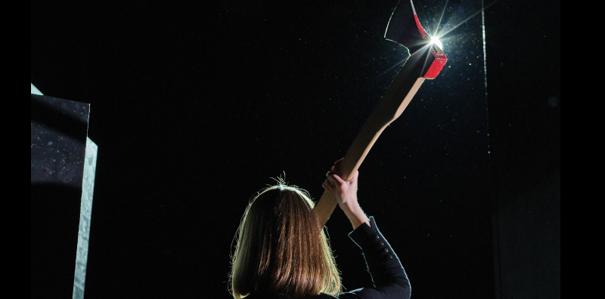
ELEKTRA. Op het toneel gebeurt niets. En de kostuums doen er alles aan om deze nietsigheid in stand te houden. Elektra is een overall gehulde automonteuse; ze is bezig de auto van de familie te repareren, maar het kreng (de auto) wil niet starten, dus gaat ze maar een potje zitten zingen op een muurtje. Onnodig te vermelden dat er naast de auto ook de onvermijdelijke videoprojectie haar opwachting maakte. Kortom, waar zijn we hier, wat doet men hier en waarom niet. Welk artistieke catastrofe vindt hier plaats?
Month: May 2026
Pelléas et Mélisande. Sara Blanch was a superb Mélisande, attempting a diverse role, one requiring stamina, a middle voice, and total immersion in a character on stage for almost all the opera. She seems to be the same person on the outside, but is the victim of changing moods, and thus so it is in the music that we discover her performance’s beauties.

Wij van WC-Eend. Wanneer medewerkers van externe recensiewebsites tegelijk bijdragen leveren aan Odeon, wordt de discussie over journalistieke onafhankelijkheid gevoelig. In dit kleine cultureel ecosysteem van “opera in Nederland” lopen kritiek, toegang, netwerk en institutionele belangen door elkaar heen. Opera is tenslotte niet alleen een kunstvorm, maar ook een sociaal stelsel van foyers, premières, ons-kent-ons en daaruit voortvloeiende wederzijdse afhankelijkheden..

Posts from overseas. Although many British critics were also shocked by the scene, Opera Gazet’s fierce, principled activism against this production drew considerable criticism within the British opera community, including on English-language forums and platforms. The accusation of prudishness: British opera lovers and progressive critics accused Keegel of having \’narrow-minded, Victorian morality\’.
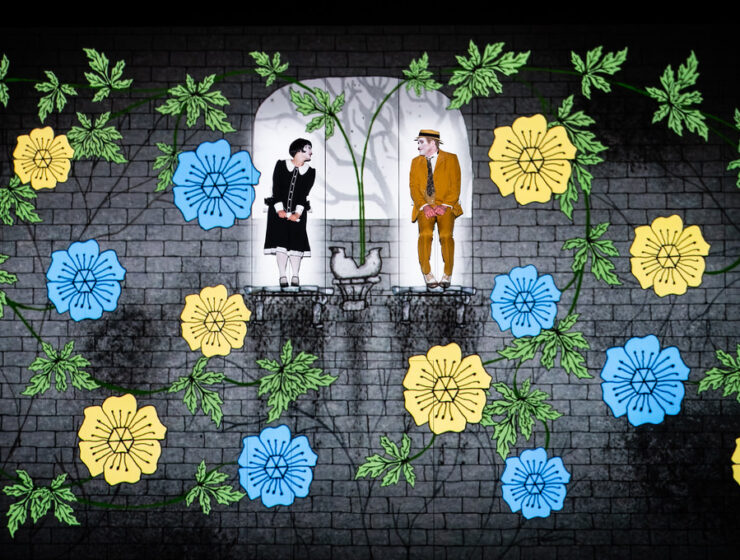
La flûte enchantée. This opera is also clearly a coming-of-age story, a tale of initiation, which explores the path towards knowledge and wisdom, towards fulfilment. It has also been described as a Masonic narrative, reflecting Mozart’s involvement in Freemasonry through a wealth of characteristic symbolism found in both the libretto and the score.
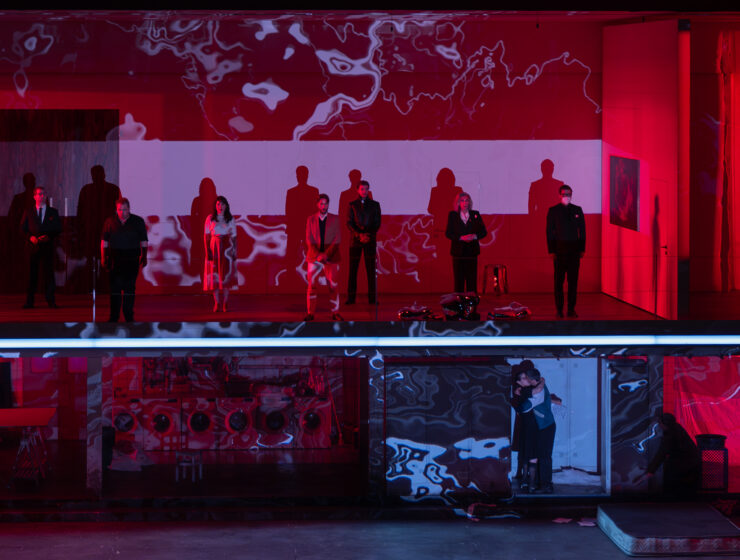
Le Nozze di Figaro. Het toneel is onderverdeeld in een souterrain en een verdieping daarboven, vanaf nu aan te duiden als ‘beneden’ en ‘boven’. Beneden is de wasserij met kluisjes voor het personeel en een morsige matras, alles overgoten met een flets tl-licht. Boven zijn de vertrekken van de Graaf en Gravin, steriel als een museumzaal met opzichtige kunst. De Graaf (Björn Bürger) draagt handschoentjes en heeft in onbewaakte momenten perverse interactie met een kunstwerk, net als het personeel trouwens.
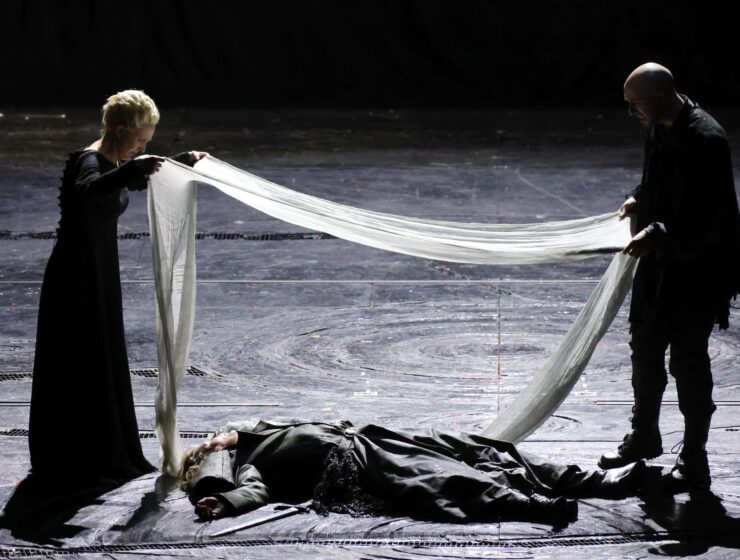
Götterdämmerung. Hagen’s hunting party wanders across a bare stage of a forest, with a huge boar hung by its feet above the stage. Hagen’s spearing of Siegfreid is not credible as the hero hardly turns around enough to watch those Batman-caped ravens flying off to Valhalla. Then, we come to a most questionable staging of Siegfried’s ‘Funeral March,’ wherein Sieglinde and Siegmund returning from the beyond; she with a 20-foot-long white linen shroud used to symbolically embalm the son she last saw while giving birth. Then, for seemingly hours, the parents break into tears, their bodies shaking violently in emotion. Wotan the Wanderer also returns, broken spear in hand, approaching Siegfried’s corpse, then only to fall to the ground in shock upon discovering who has been killed. None of this was needed.
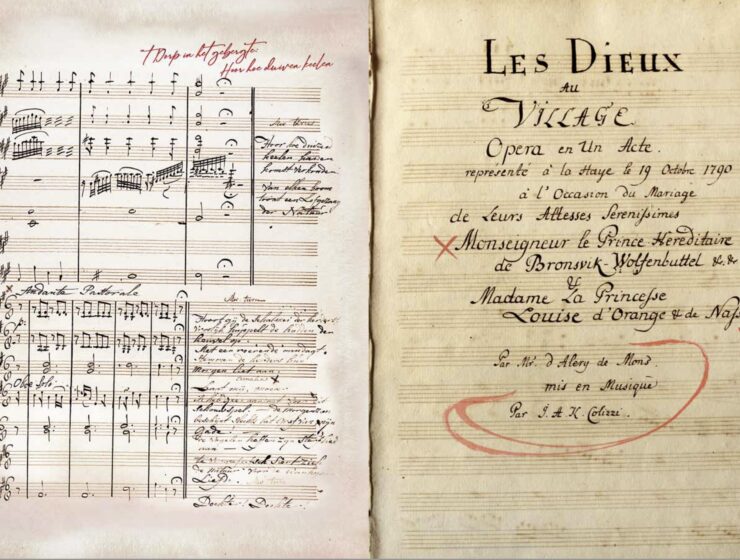
Het 401NederlandseOperas Handboek. Nu staan er in het boek ook zaken die vragen oproepen. Wat doen bijvoorbeeld Händel, Mozart, Beethoven en de beroemde oratoria van Haydn in het boek? Het voorwoord beantwoordt die vraag al direct: Seghers brengt het hele speelveld in kaart.