Simone Boccanegra
Simone Boccanegra. Giuseppe Verdi. Opera in a prologue and three acts. 1856. Revised for La Scala, Milan, in 1881. Libretto by Francesco Maria Piave, with contributions by Giuseppe Montanelli, based on the play Simón Bocanegra by Antonio García Gutiérrez. Libretto of the revised version by Arrigo Boito. Premiered at the Teatro La Fenice, Venice, on March 12, 1857.
Music Giuseppe Verdi Libretto Francesco Maria Piave Musical direction Fabio Luisi Direction Jetske Mijnssen Simone Boccanegra George Petean Amelia Grimaldi Federica Lombardi Jacopo Fiesco Georg Zeppenfeld Gabriele Adorno Riccardo Massi Paolo Albiani Germán Olvera Pietro Jasurbek Khaydarov Un Capitano François Soons Un’Ancella di Amelia Yvonne Kok Royal Concertgebouw Orchestra The National Opera Chorus
Music: 4,5*
Direction: 3*
Simone Boccanegra
Simone Boccanegra
Verdi wrote the opera Simone Boccanegra in the late 1850s, during his “middle period.” He experimented with structural and dramatic developments that foreshadowed his later, true masterpieces. The premiere of Simone Boccanegra in 1857 was a complete disaster. The performance had all the hallmarks of a farewell opera. Verdi was compulsively driven to do something different, something original, but “something different” often turns out to be a monstrosity, as is well known to those who must repeatedly drink from the poisoned chalice of Contemporary Direction. Verdi sought a compromise between his own views and those of the public, which had been raving about Rigoletto and La traviata and Rigoletto. However, a compromise is a good umbrella but a poor roof, as James Russell Lowell said; it didn’t work, it didn’t fit into the image of traditional opera in 1857. Twenty-five years later, publisher Ricordi convinced the composer to thoroughly redo his work.
The whole opera charade
The story of Simone Boccanegra is one of those opera plots where it helps to have a notepad handy from time to time. Verdi serves up a hefty dose of politics, family secrets, lost children, and old feuds.
The sailor Simone Boccanegra is proclaimed Doge of Genoa by the people. On the very same day, however, disaster strikes: his beloved Maria Fiesco dies and their young daughter vanishes without a trace. Not an ideal start to a political career. In the background, a power struggle rages between the patricians and the plebeians. Boccanegra belongs to the plebeians, while Maria comes from a noble family. Her father, Fiesco, does not see Simone as the ideal son-in-law and, even twenty-five years later, continues to brood over revenge.
Meanwhile, the patrician Grimaldi family has raised an orphan girl as their own daughter. You can see it coming: this girl, Amelia, turns out to be none other than Boccanegra’s long-lost daughter. Amelia is in love with the young nobleman Gabriele Adorno, who has just joined the Doge’s opponents. In the fourteenth century, human relationships couldn’t yet turn to the Help Guide for Relationships.
Because Amelia’s true origins remain a secret for a long time, all sorts of misunderstandings arise. (Hey, misunderstandings!) Some even think that the now-elderly Boccanegra wants to marry her himself. That doesn’t exactly help the atmosphere. Meanwhile, Paolo, an ambitious commoner who has a crush on Amelia himself, is hatching his own plans. When his desires come to nothing, he doesn’t give up: he poisons Boccanegra.
Yet the opera does not end in total gloom. Just before the poison takes effect, a reconciliation finally takes place between Boccanegra and his old enemy Fiesco. Amelia’s true origins are revealed, and Adorno is named as the successor. Only then does Boccanegra die. So, the lost daughter is found, the family feud is settled, political opponents are reconciled, and the hero has passed away. A typical day in the world of Italian opera.
Let’s give it another try
Since the premiere in Venice had been a disappointment, expectations grew that Verdi would refine the work; people wanted sharper dramatic structure and a stronger contrast between the main characters. To capitalize once more on Verdi’s famous name —the nearly 70-year-old composer had not composed anything new for over a decade— the publisher finally persuaded Verdi to revise Simone Boccanegra. The revision, carried out in close collaboration with composer and librettist Arrigo Boito, was completed in 1881, and now the audience in Milan sat breathless, watching and listening, especially during the confrontation between Boccanegra and Fiesco. A Milanese reviewer wrote “Verdi has restored the soul of the republican tragedy; the verses speak with greater breath, and the music breathes more rapidly between battles and consolation.”
The differences between the 1857 production and the 1881 production must therefore be significant. As mentioned, Piave’s libretto was revised by Boito and adapted to provide clear motivations for the main characters and to bring the tragedy into sharper focus. The text and music were also more closely aligned in the 1881 version. The story is essentially the same in 1857 and 1881: the central characters and the political-republican backdrop remain intact (Boccanegra as Doge, Fiesco, Maria/Amelia, Gabriele, etc.). But Verdi now sought a more psychologically and politically charged drama with a more coherent narrative.
However, there are significant musical changes. The 1857 version is longer, at times episodic, with long, lyrical passages that can be dramatically counterproductive. In the 1881 version, the dramatic highlights are better distributed. In 1881, the tension centers more frequently on the relationship between Boccanegra and Fiesco, and the political allegory is developed more sharply and coherently. In the revision, Fiesco is given significantly better musical support. Furthermore, some arias and duets have been rearranged and, in some cases, shortened.
The orchestral colors become richer and more refined, and the orchestration better supports Boccanegra’s introspection and Fiesco’s cynical morality. Finally, in the 1881 version, the tragic revelations and the confrontation in the finale are more spectacular and moving. This 1881 finale employs reordered and intensified musical moments that heighten the dramatic catharsis; the tragedy becomes more palpable, and the conclusion is more effective both melodically and dramatically.
George Petean et al.
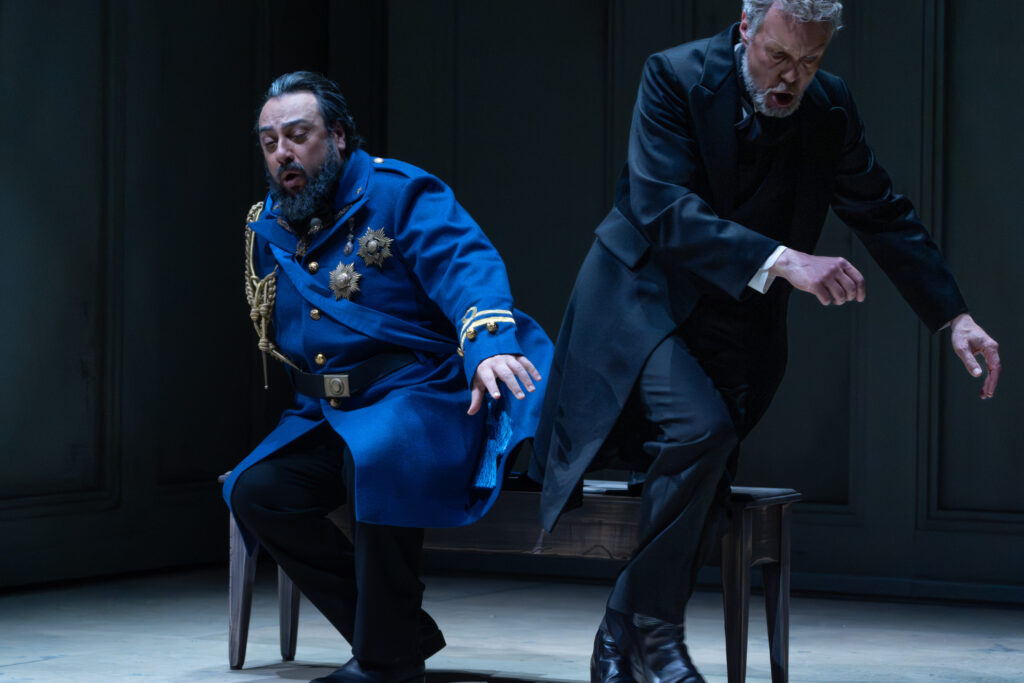
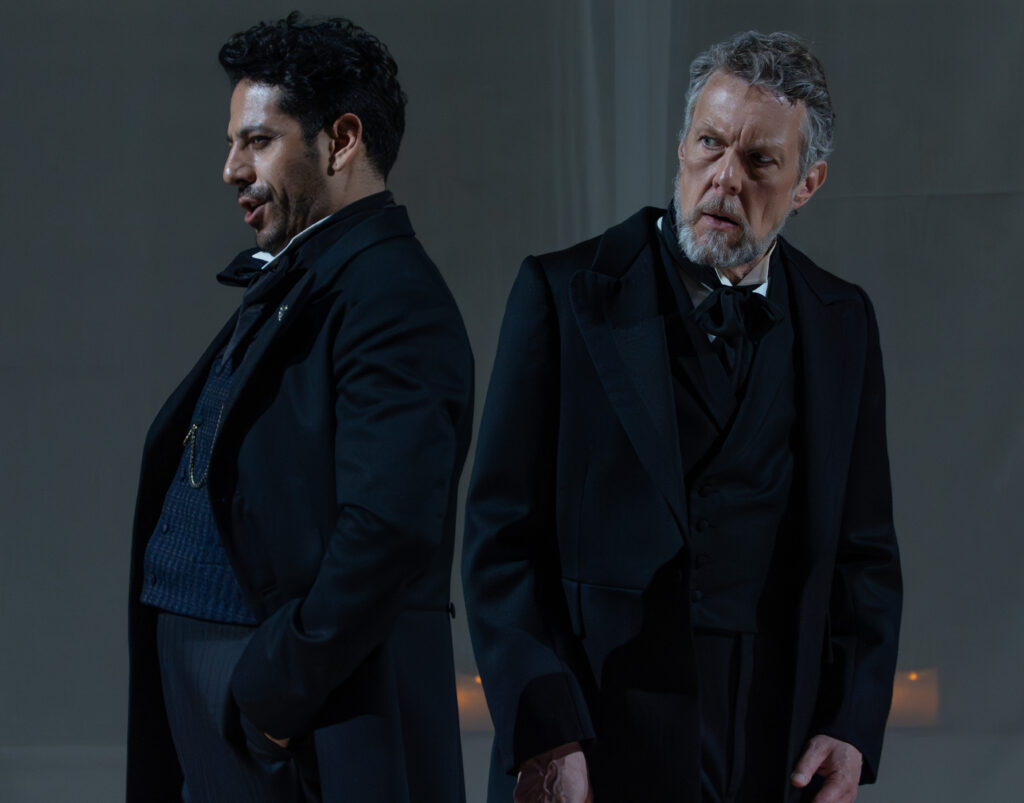
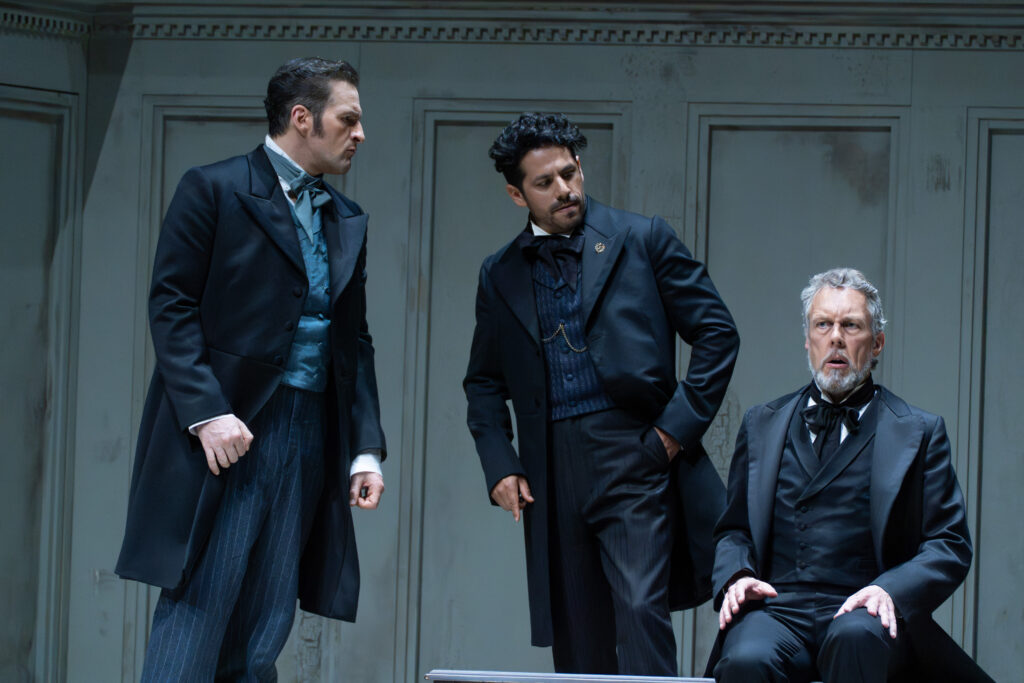
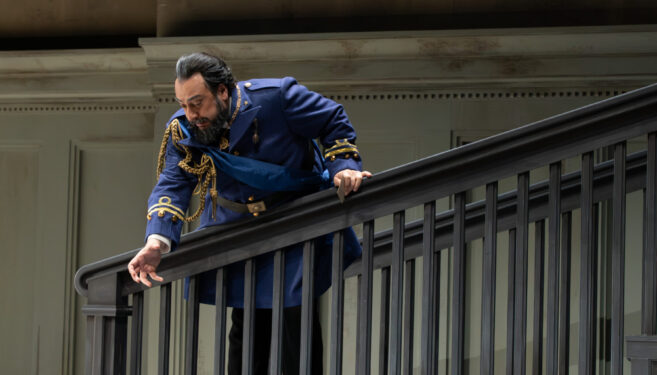
A musically very successful performance of this delightful opera took place in Amsterdam. Our hearts went out to George Petean as Simon. He may not be the virile baritone à la Ludovic Tézier, but in terms of the pure beauty of tone and refinement, he is, in our opinion, among the most impressive Verdi baritones of the moment. It is precisely in the role of Simone Boccanegra that Petean draws from a seemingly inexhaustible palette of tonal nuances. Together with Federica Lombardi he forms the Verdi-esque father-daughter duo of Simone and Amelia. Lombardi made her debut as Amelia in Liège a few years ago, then also alongside George Petean. She possesses a beautiful, clear voice and knows how to portray Amelia’s love for her father, as well as for Gabriele Adorno, in a credible manner. Apart from the supporting role of a maid, she is the only woman in a cast of powerful, conspiring, and scheming men: a Human with a Womb to be reckoned with! Jacopo Fiesco was held in a firm vocal stranglehold by Georg Zeppenfeld, with a voice of Ivan Rebroff-like proportions. His prayer “prega per me” at the funeral of his daughter Maria is unparalleled among prayers. Germán Olvera was a perfect fit as Paolo. Unfortunately, the same cannot be said of Riccardo Massi as Gabriele Adorno; his tenor is both shrill and too loud, and —a minor detail— he sings out of tune.
Conductor Luisi fully lived up to his reputation as a Verdi expert, with the help of the orchestra under his baton —the Royal Concertgebouw Orchestra— which once again proved itself to be the best in the world in every genre of music. The same applies, mutatis mutandis, to the Royal Dutch Opera Chorus.
Why relocate?
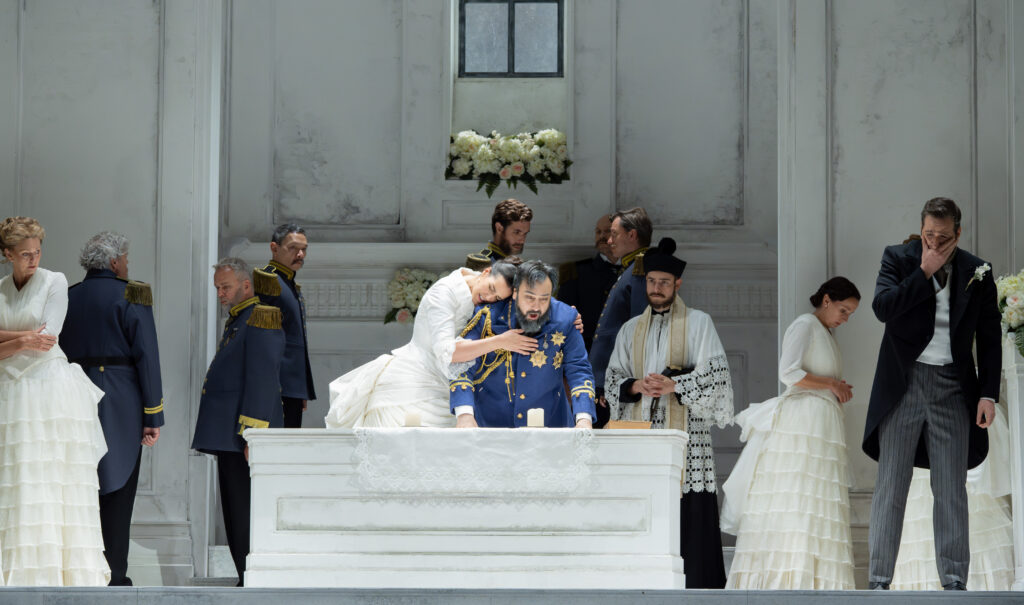
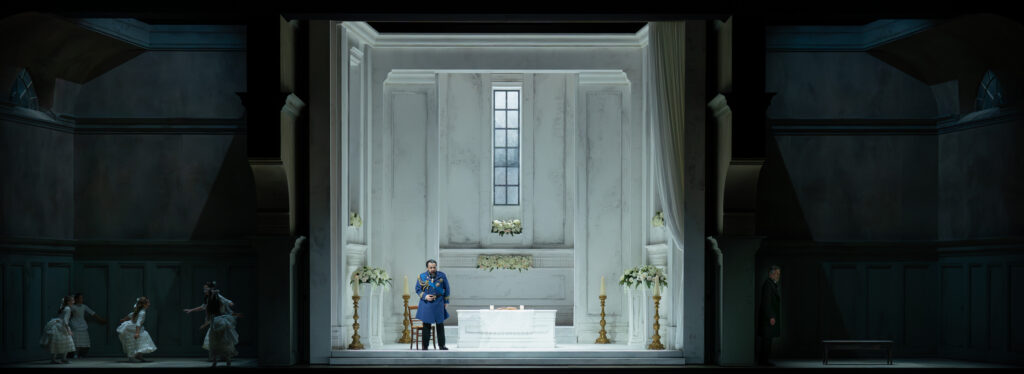
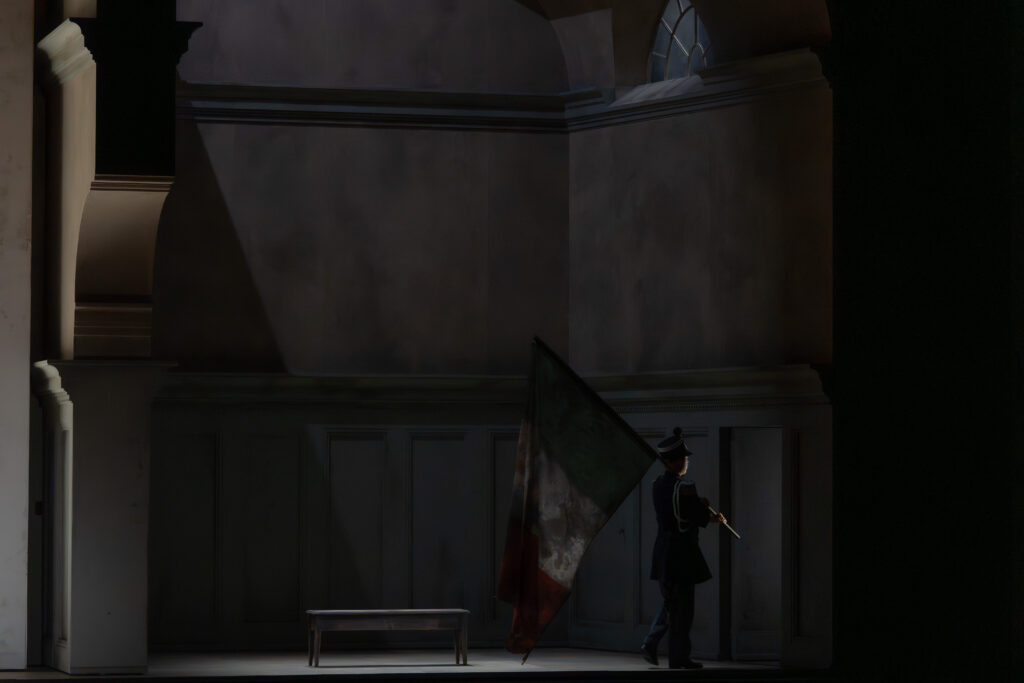
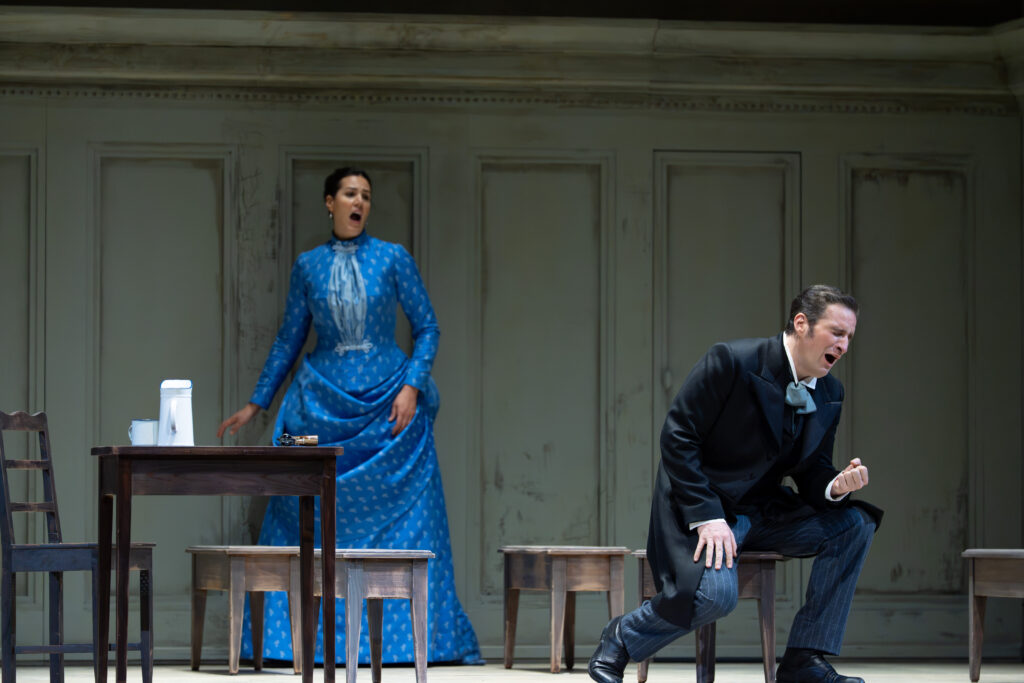
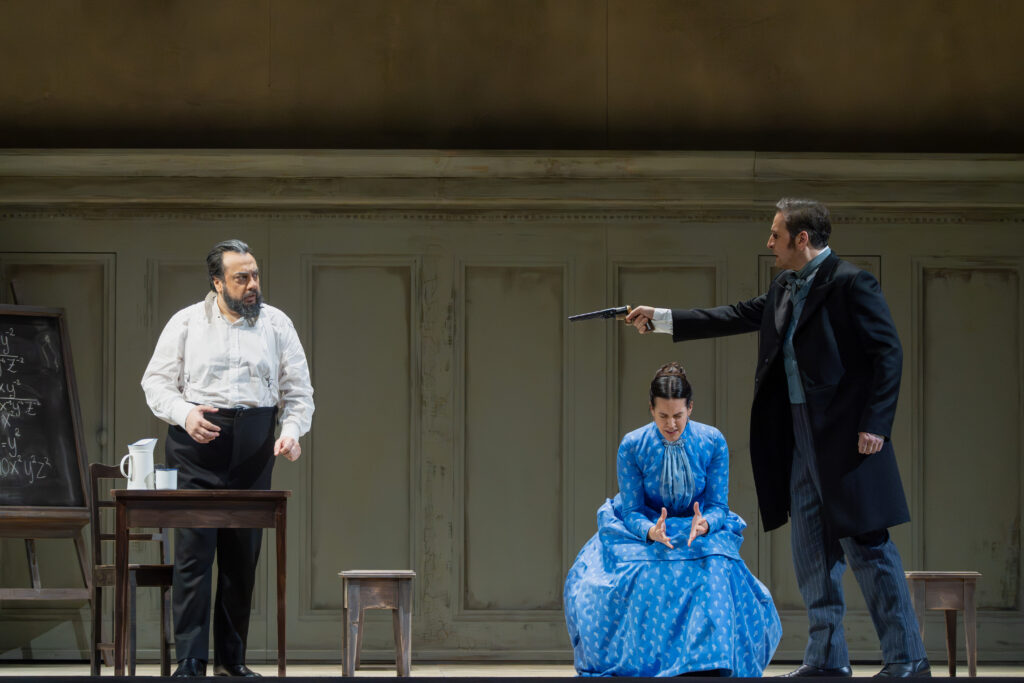
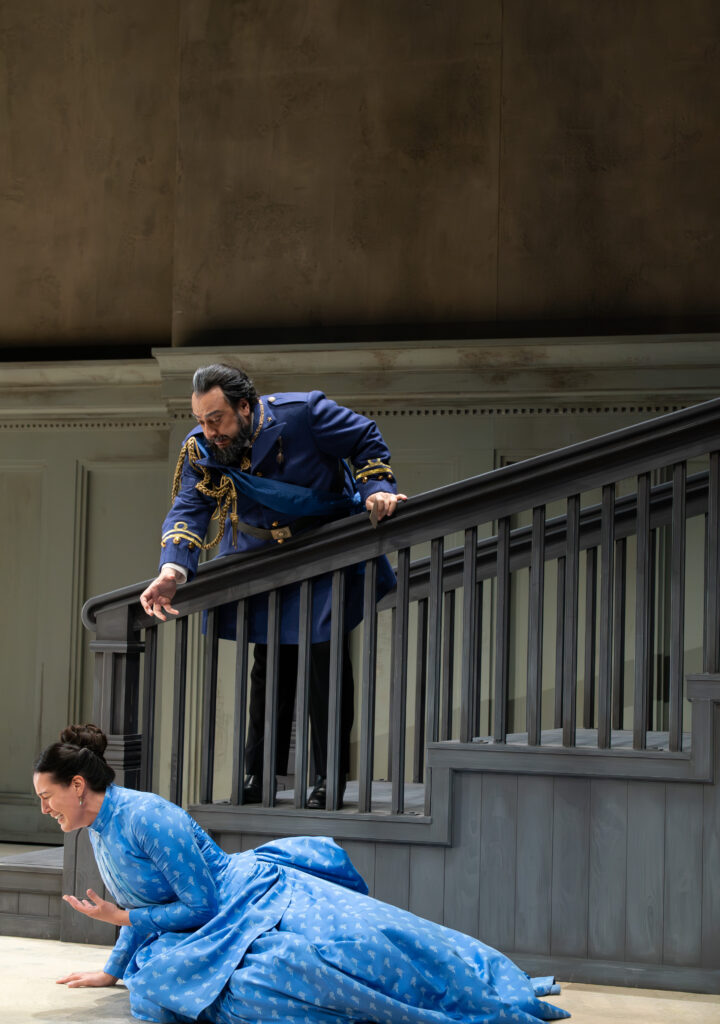
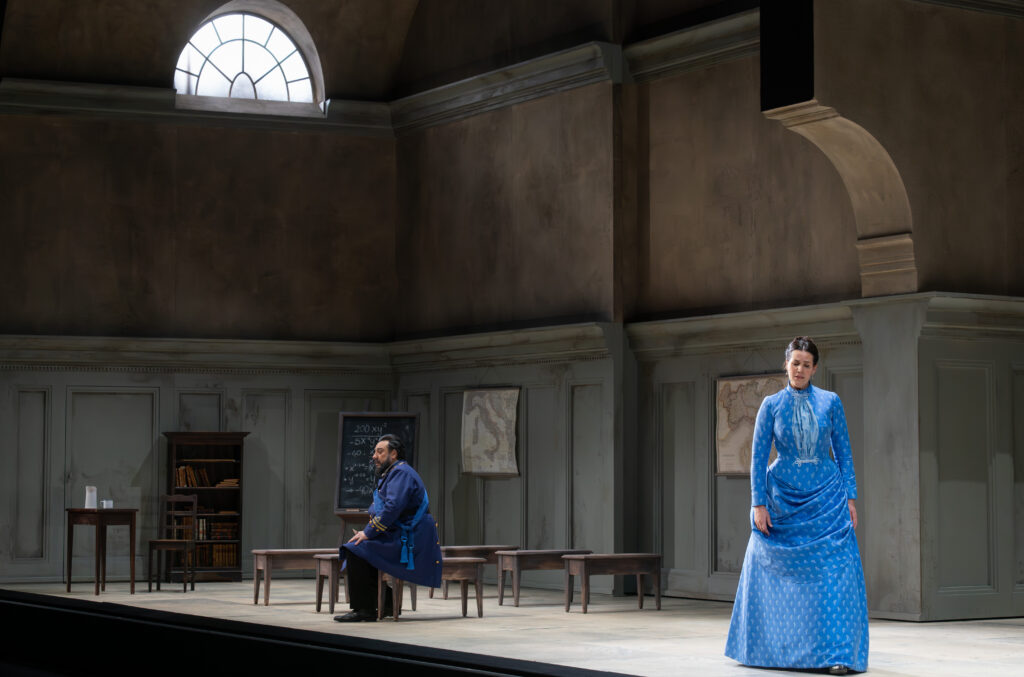
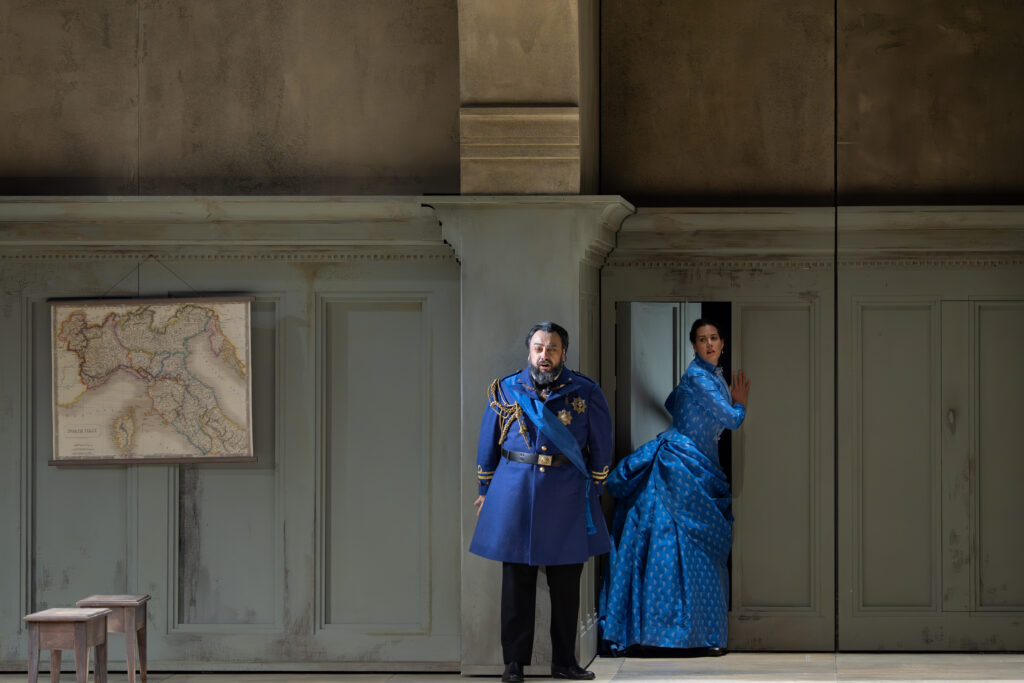
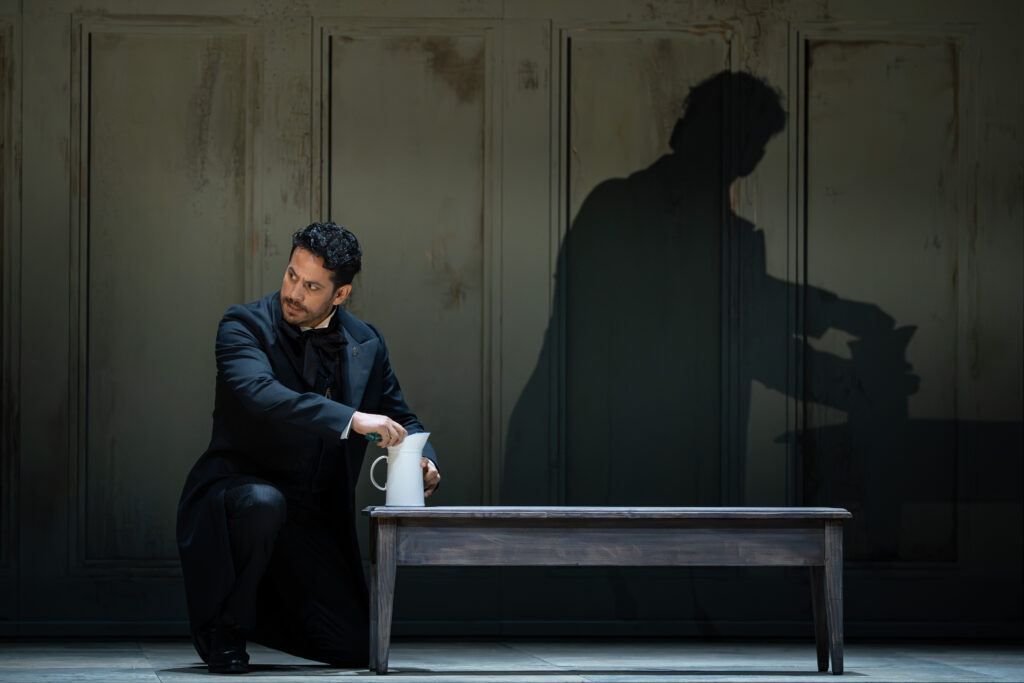
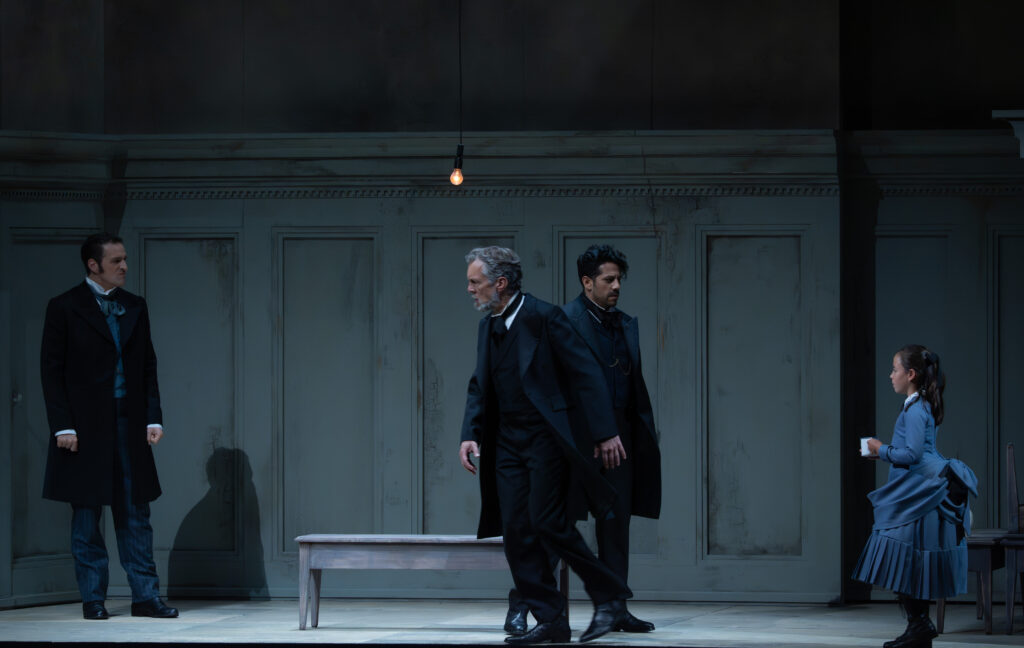
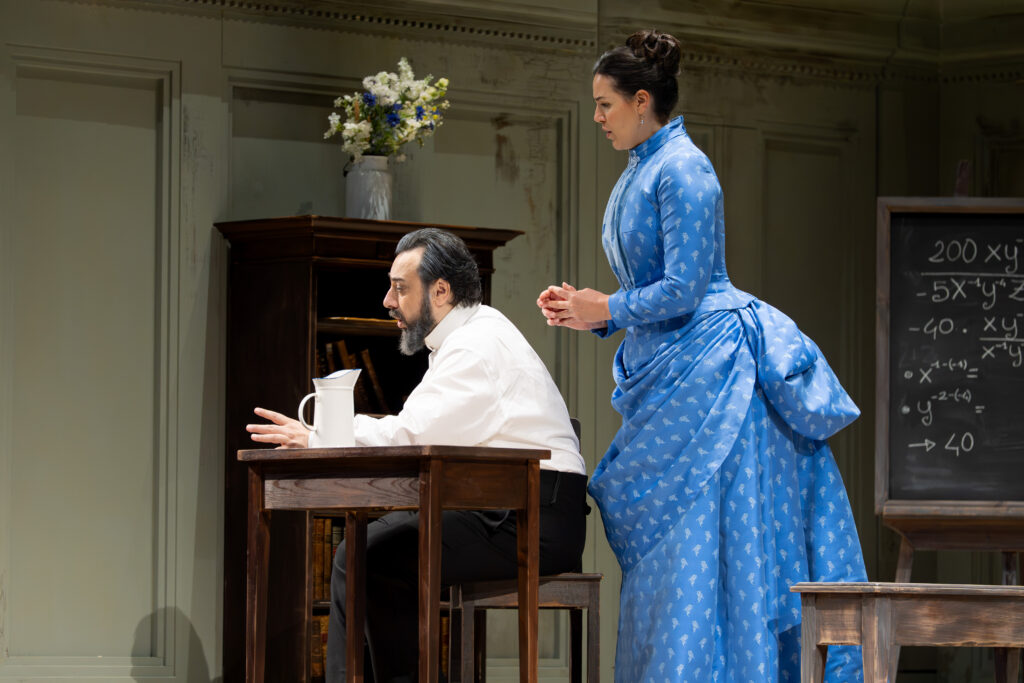
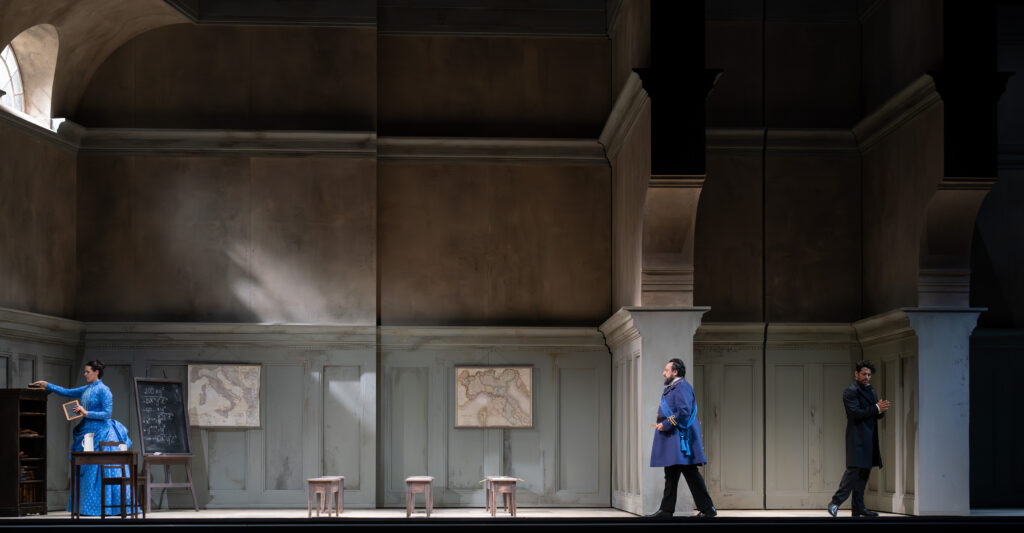
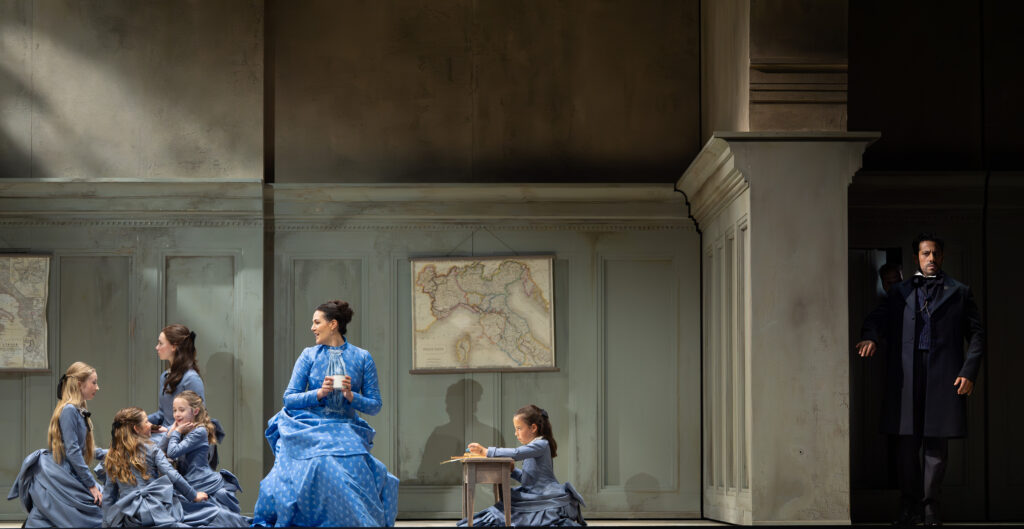
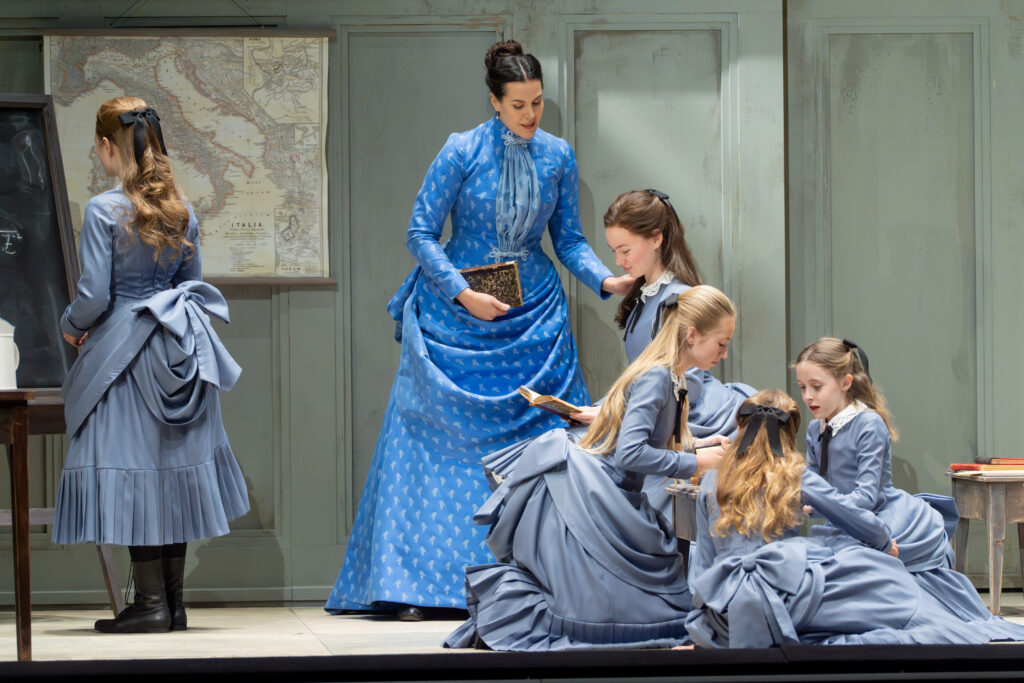
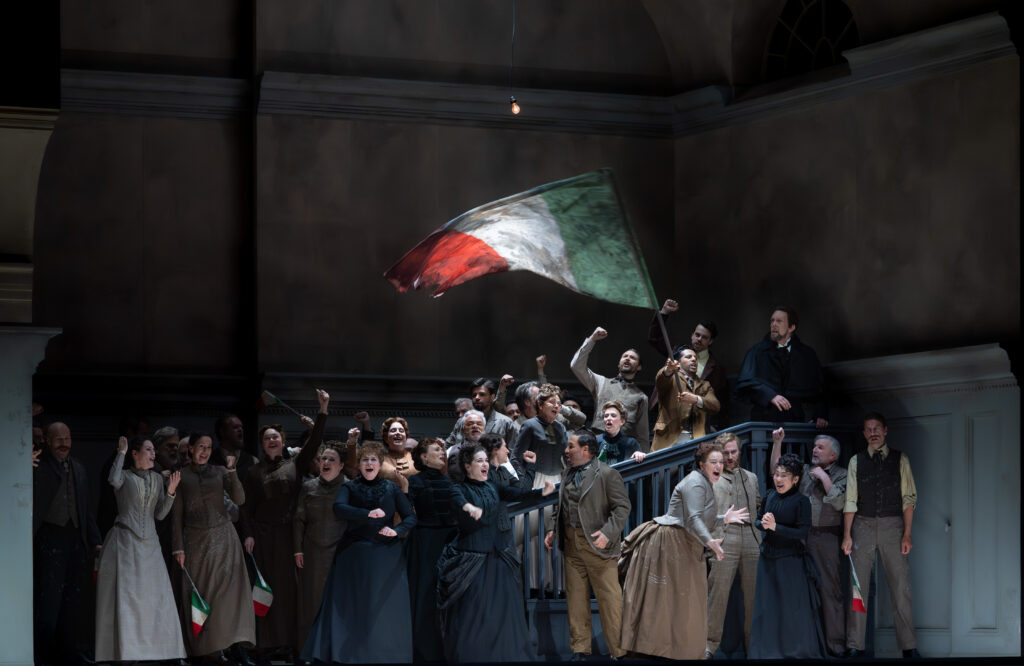
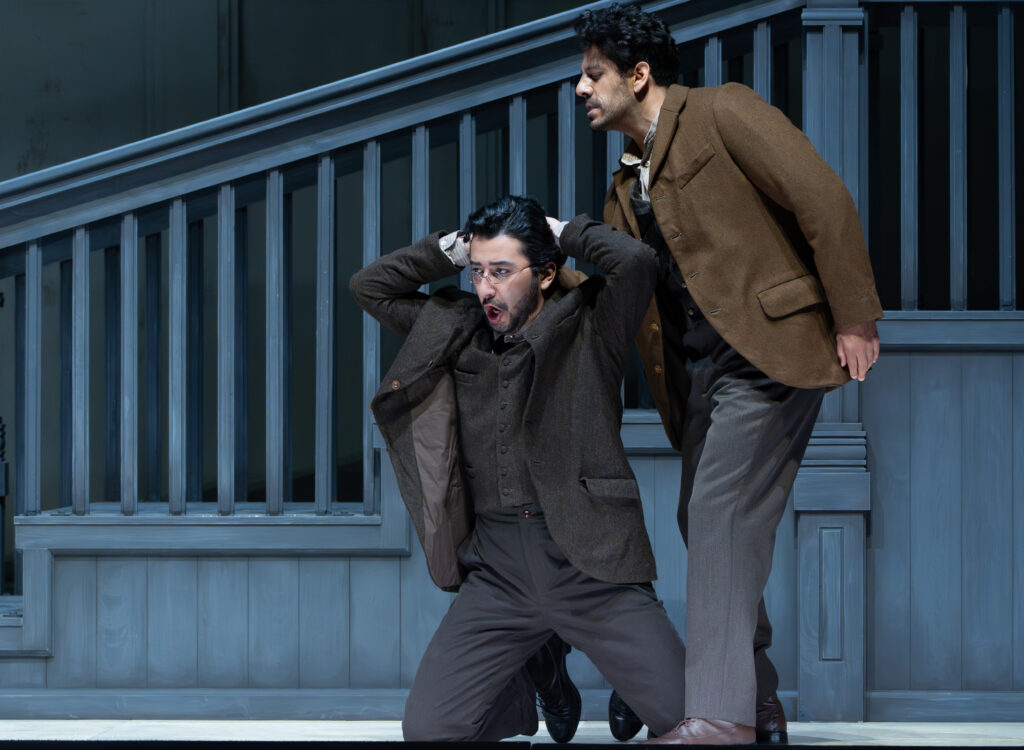
And then there was the staging. We must say: we’ve seen worse. Director Jetske Mijnssen “transposed” the opera to 1871, the year of the revised version’s premiere. Two questions arise: 1) Why relocate? 2) Why 1871? The notion that the nineteenth-century costumes and sets place the characters in a world closer to Verdi himself than to medieval Genoa is utter nonsense. What is closest to Verdi is his own opera, and that is set in Genoa in the 13th (or 14th?) century
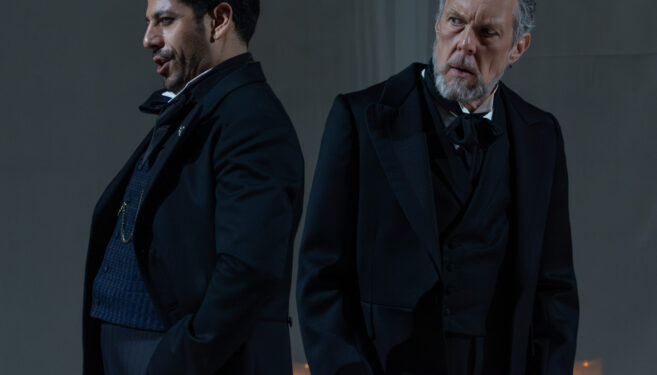
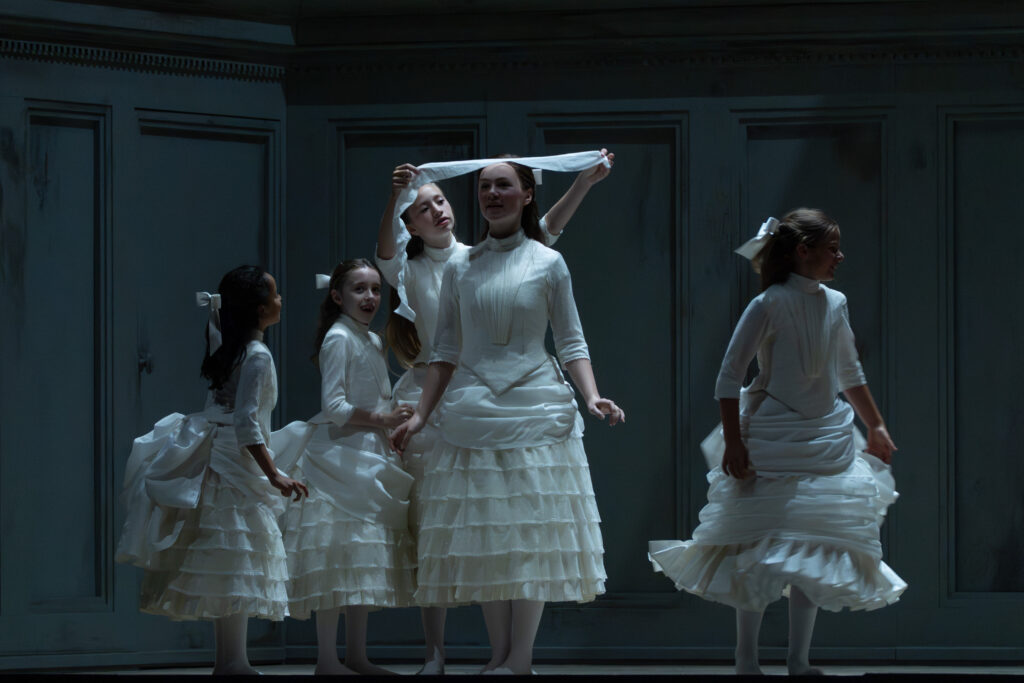
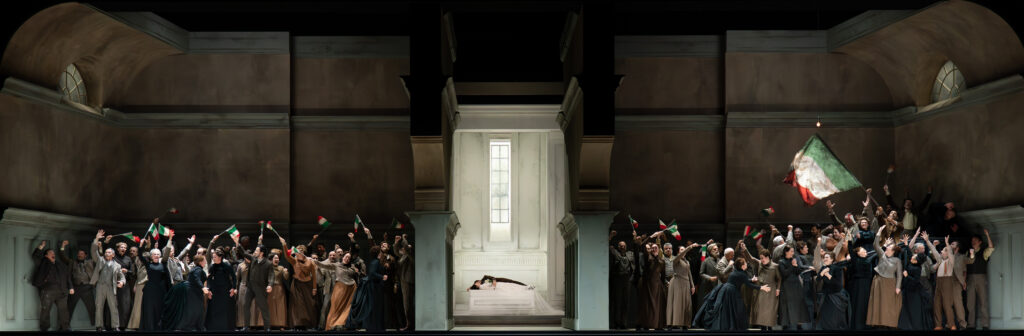
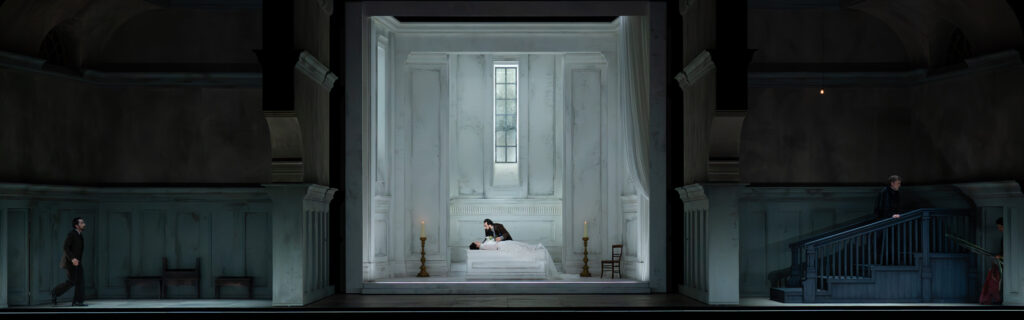
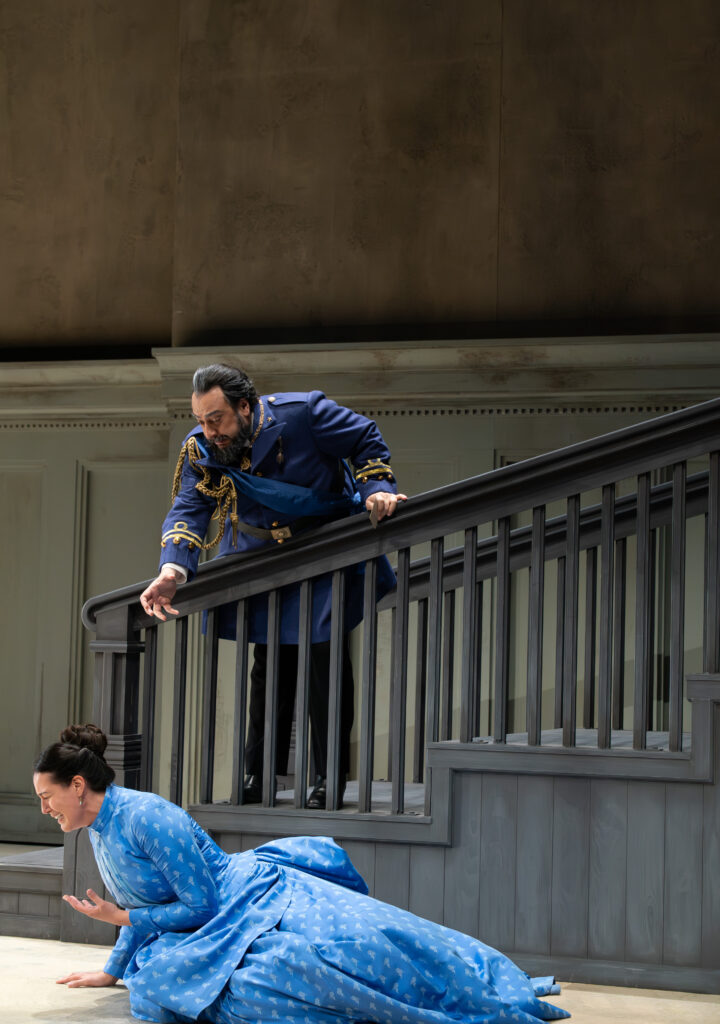
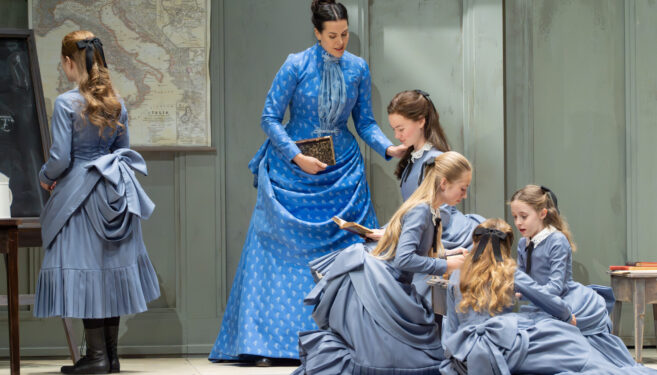
Contrary to what some less knowledgeable critics claim, Jetske Mijnssen does indeed put her own spin on the opera. This results in some unusual choices. During the prologue, Maria literally lies in the light, while Simone describes how he is finding his way through the darkness. Mijnssen’s imagination sometimes runs a bit wild. For instance, Amelia is portrayed —for no apparent reason— as a kindergarten teacher with mild dementia. This creates a striking character, but it also has a downside: as a result, the opera lacks the quiet, intimate moments in which her love for the impulsive nobleman Gabriele Adorno can blossom. Consequently, their relationship remains less believable than it could be.
Human logic and opera direction have been a difficult marriage for decades. In one scene, everything is explained; in the next, the audience is suddenly left to guess why someone is behaving as if they’ve walked into a completely different opera.
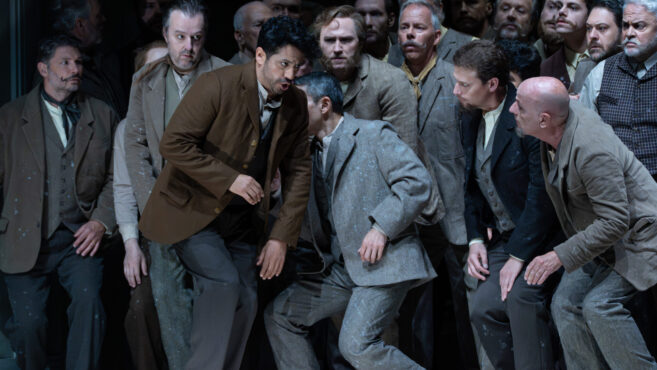
Gray men’s suits from Old Navy or Kohl’s
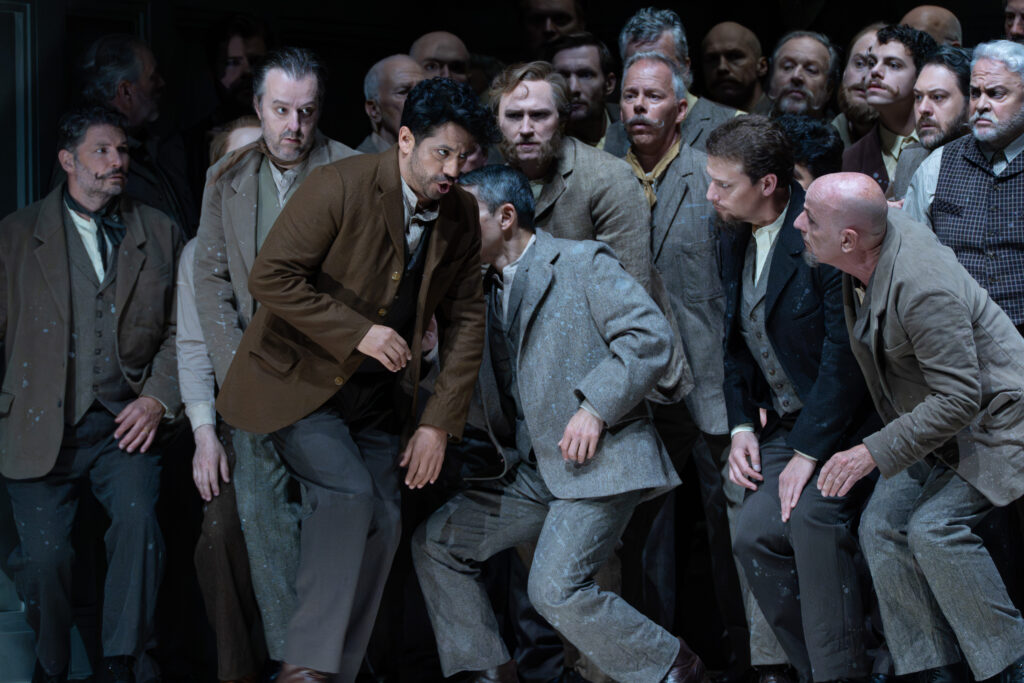
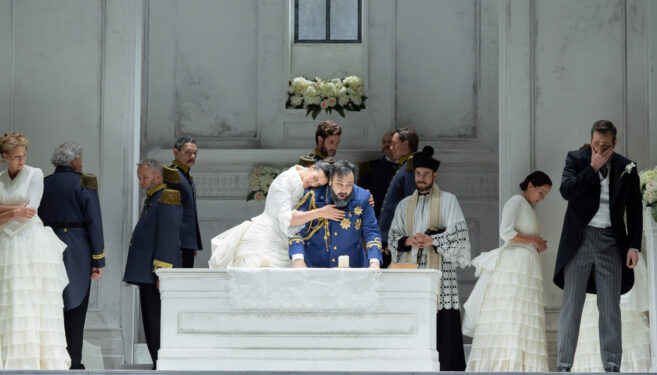
Further on, director Mijnssen’s imagination also trumps credibility. At the end, Boccanegra’s death throes are enlivened with irrelevant, implicitly feminist frivolity. And finally: among the 19th-century men’s costumes, we spotted the familiar one-size-fits-all gray men’s suits from Old Navy or Kohl’s. Weird.
Olivier Keegel