THE MERRY WIDOW
Opera Australia, Wednesday July 8, 2026. Joan Sutherland Theatre, Sydney Opera House.
Music — Franz Lehár
Libretto — Viktor Léon & Leo Stein
English translation by Justin Fleming
Conductor — Vanessa Scammell
Director & Choreographer — Graeme Murphy
***
Comic operetta, much like the champagne that many of them invariably blame for their characters’ excesses, is most definitely an acquired taste. With its insouciant, tweedily-dee nature… the cutesy pop songs, the cheesy rhymes, the raunchy song’n’dance numbers… it is by no means everyone’s cup of tea. Works like The Merry Widow are pure confection — as sweet and insubstantial as a meringue. It would require a particularly churlish curmudgeon to grump his way through an ill-tempered review of such a resolutely populist piece of mass-appeal froufrou.
Bizarrely muted response
Sadly, though, while there is much to admire in its current incarnation at the Sydney Opera House, there is pause to be taken as well. It would be remiss of us to not point out that Opera Australia’s current revival of its 2017 production, which returned to the Joan Sutherland Theatre this past July 8, did so to a bizarrely muted response on opening night. Despite hearty applause for certain individual artists and moments, the near-capacity audience was, overall, noticeably hesitant during the final bows.
Perhaps it was the cold weather, perhaps it was shadow of the Australian musical theatre scene’s current woes (three major commercial productions closing early and the cancellation of the Zeffirelli Aida, with Angel Blue and Jonas Kaufmann)… who knows? But despite the obvious enthusiasm and artistry at work on Wednesday evening, the qualified ovation that meandered across the auditorium was telling, which is a shame, because there was much to enjoy, and few caveats of real note.
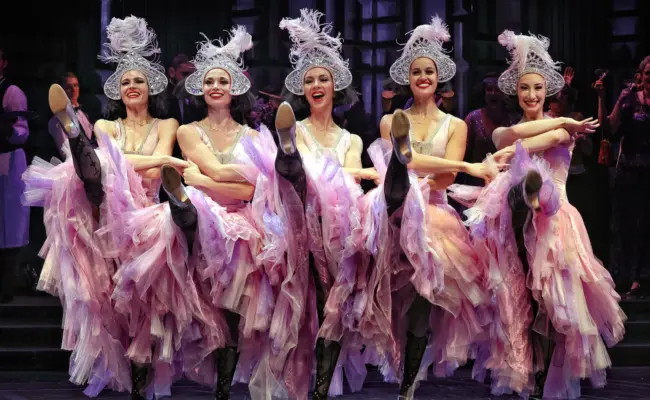
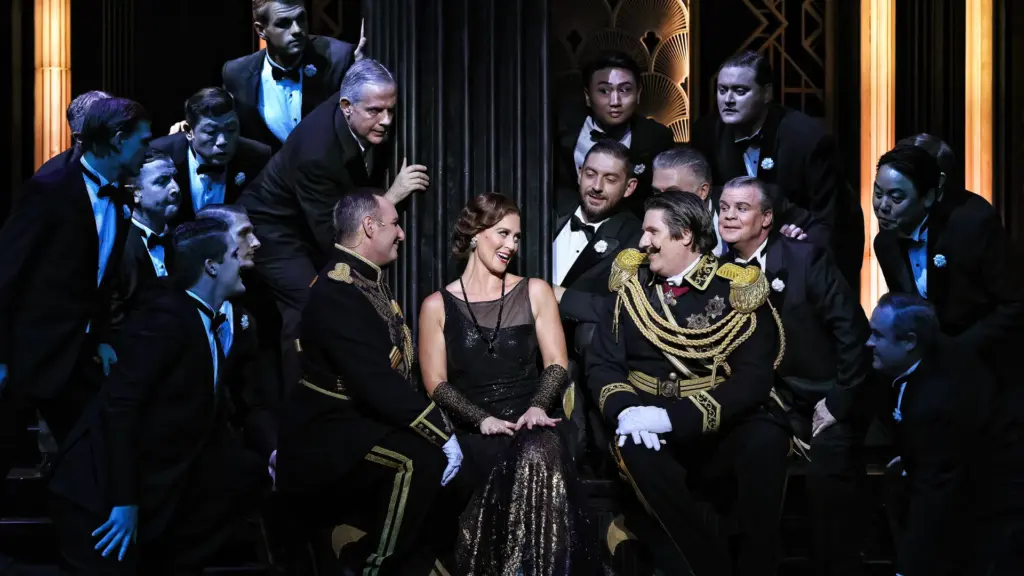
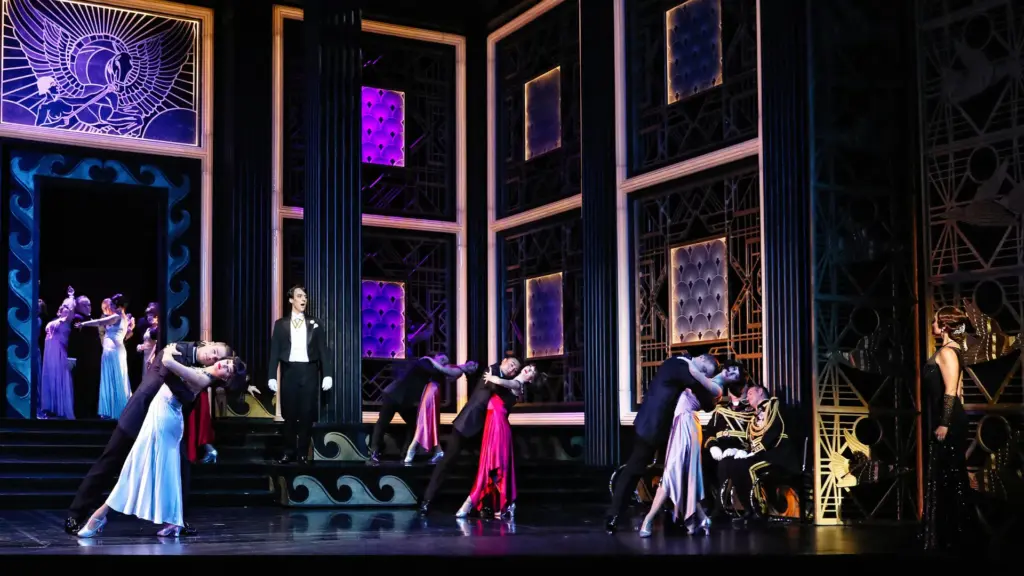
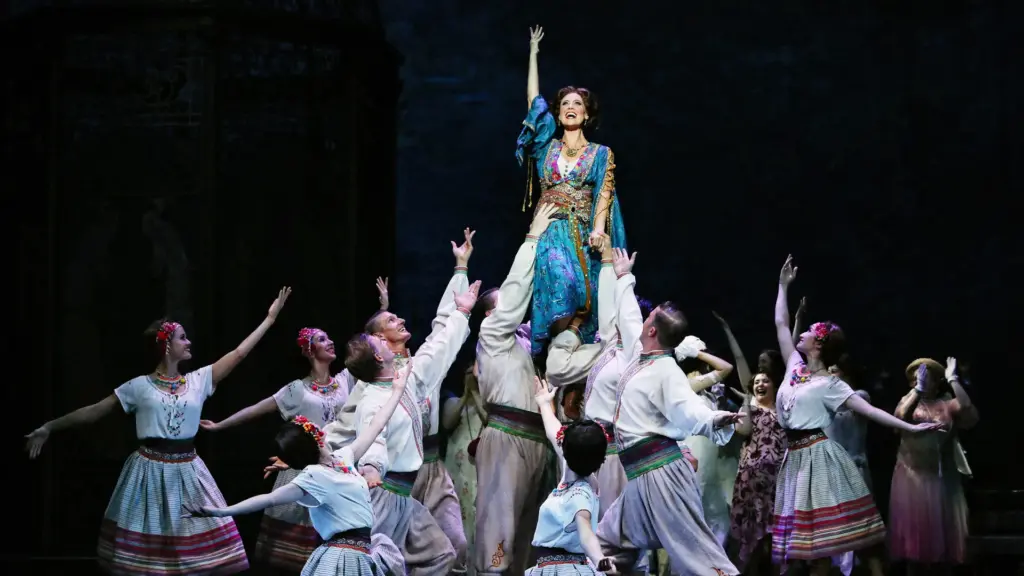
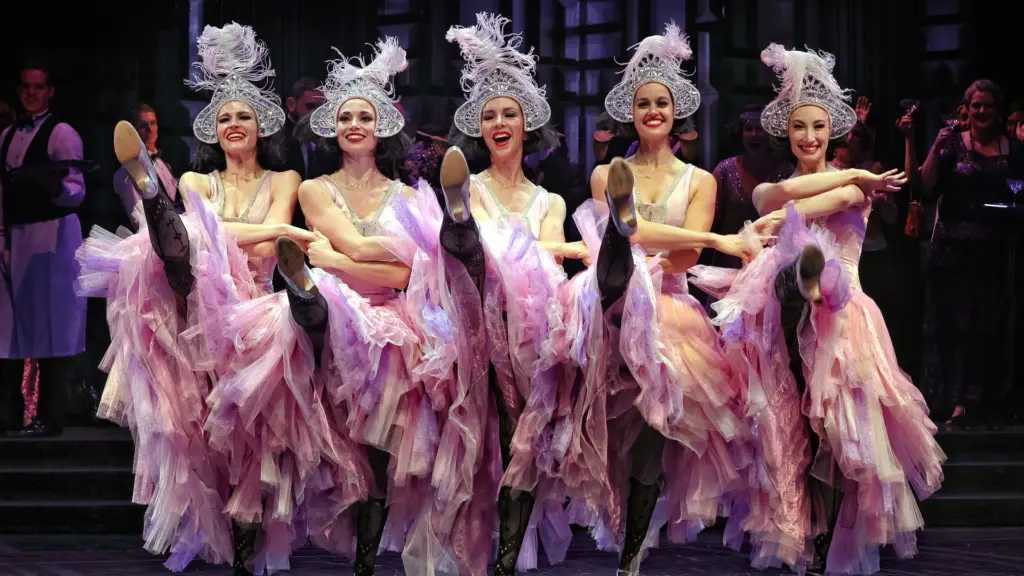
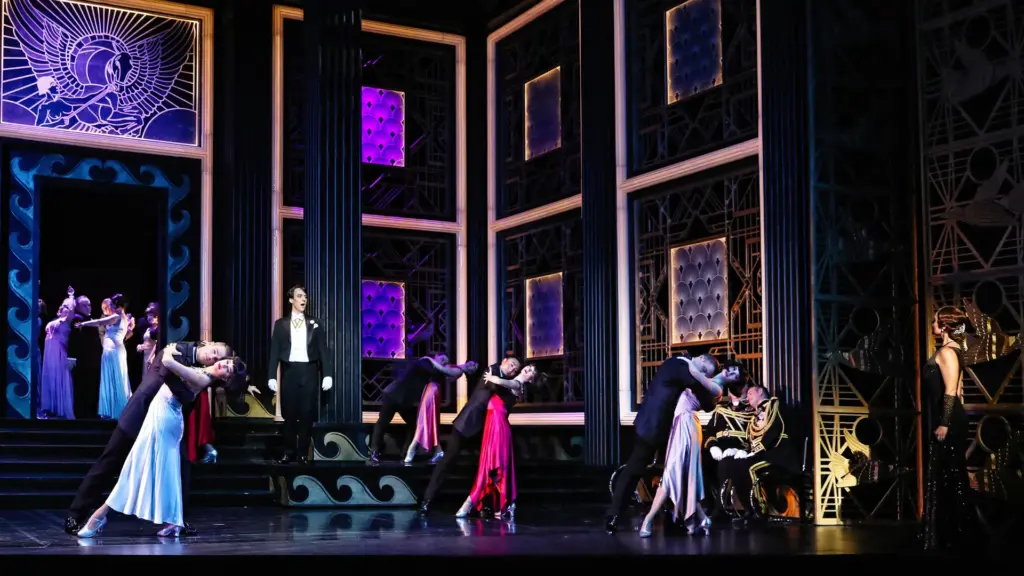
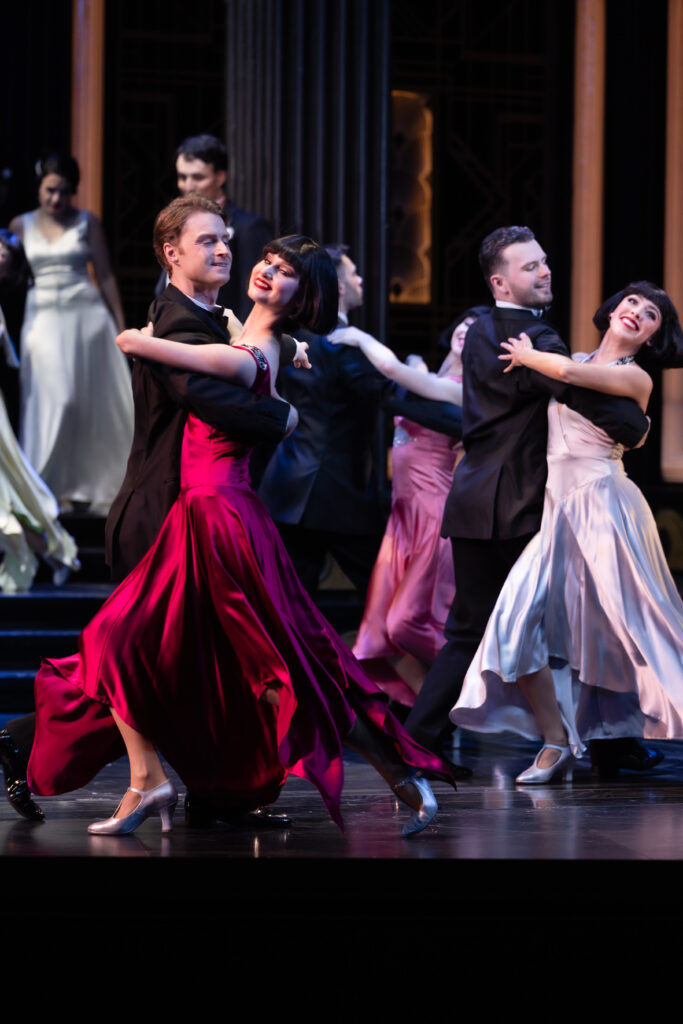
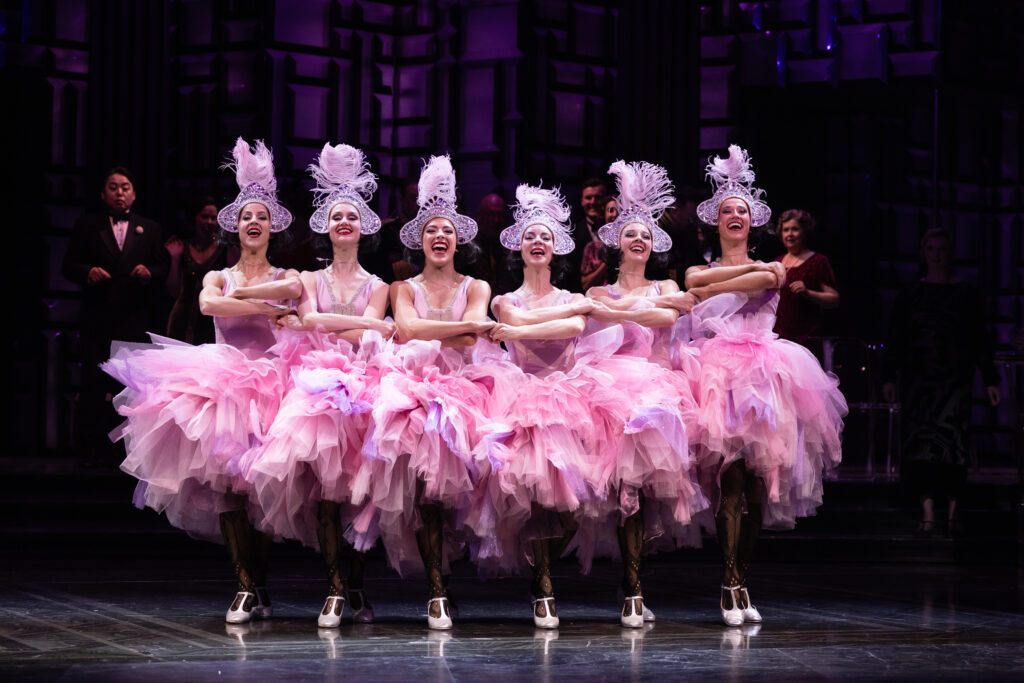
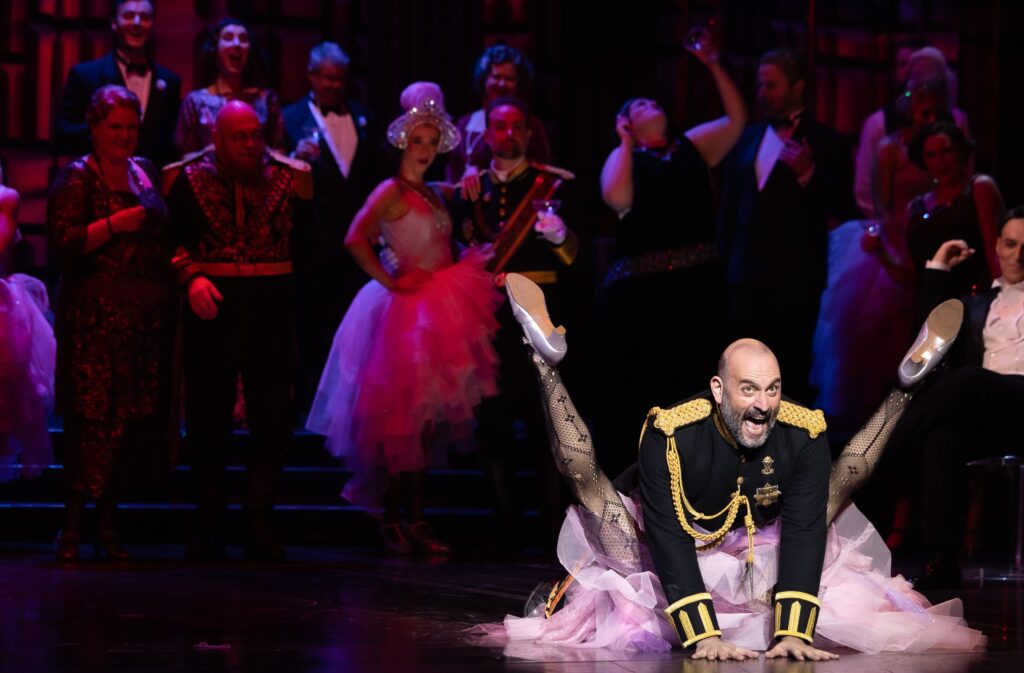
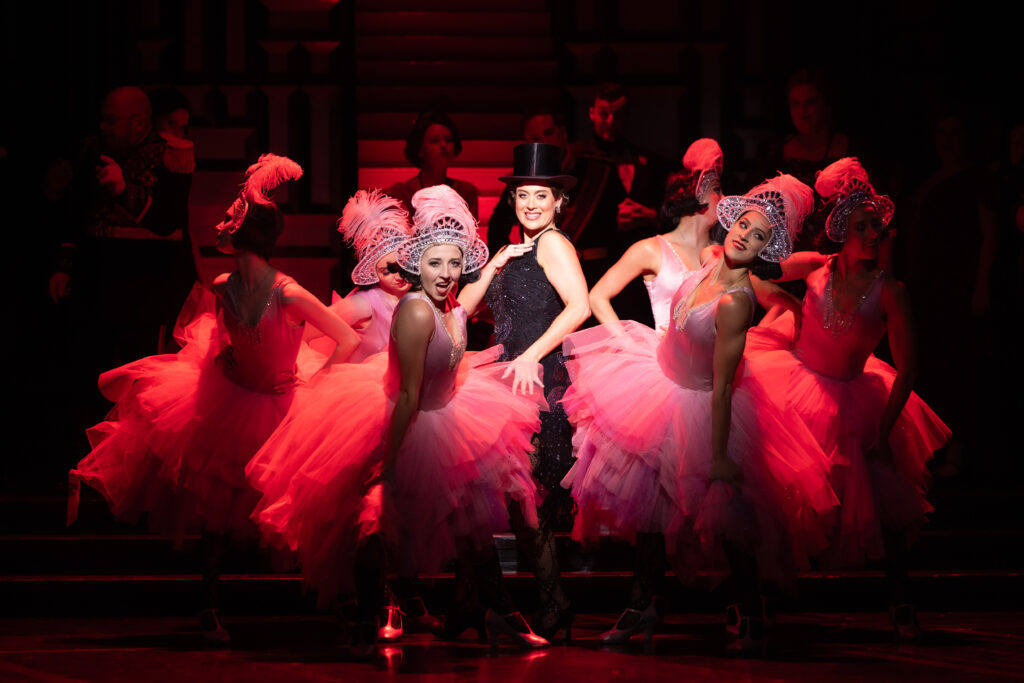
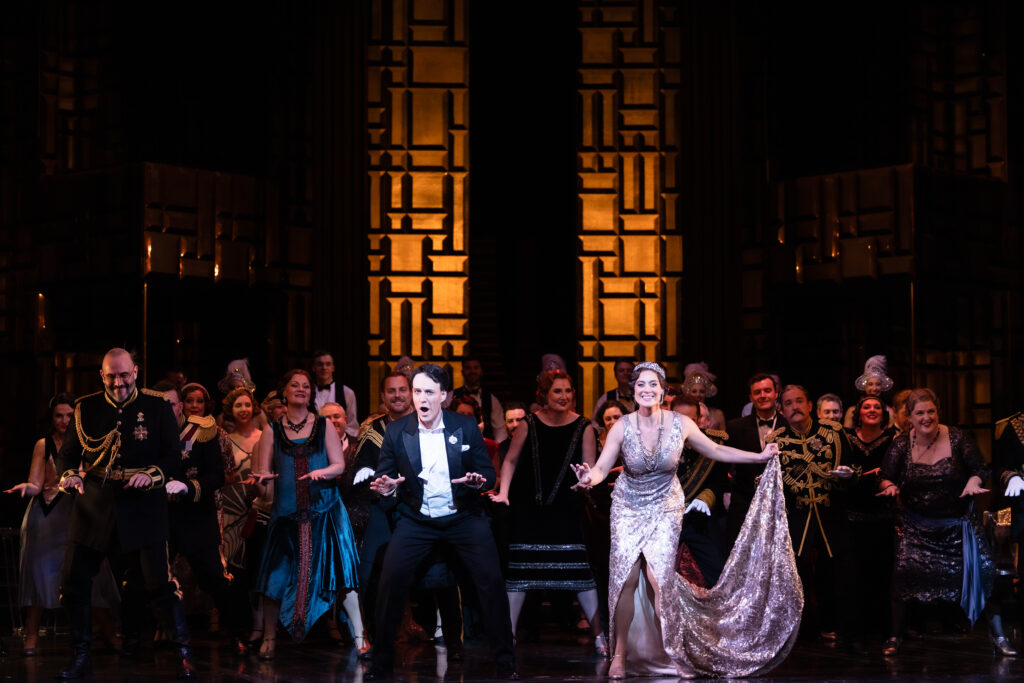
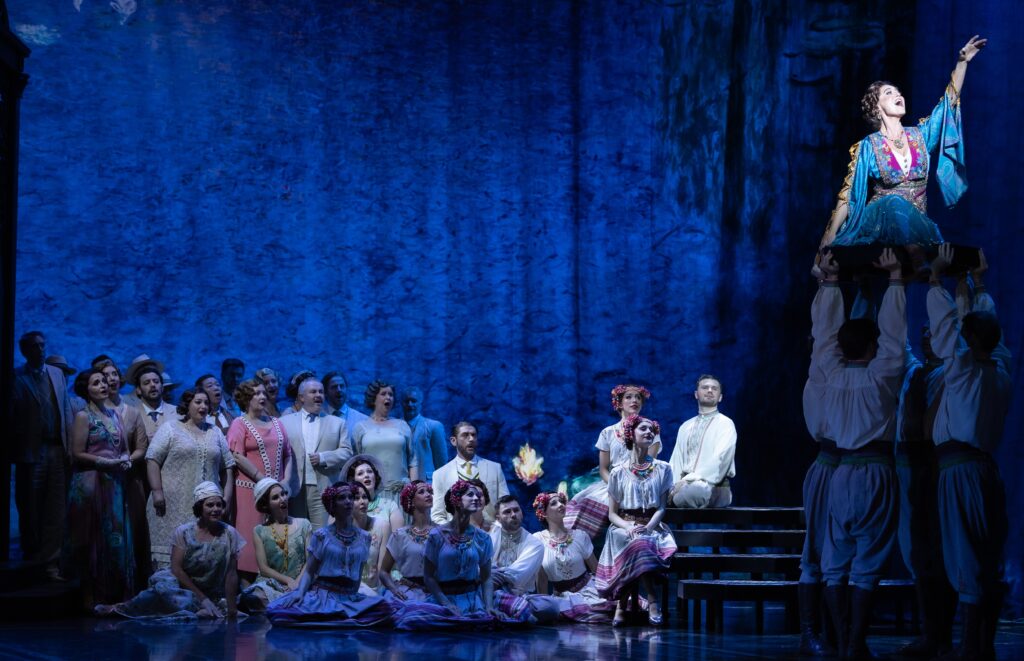
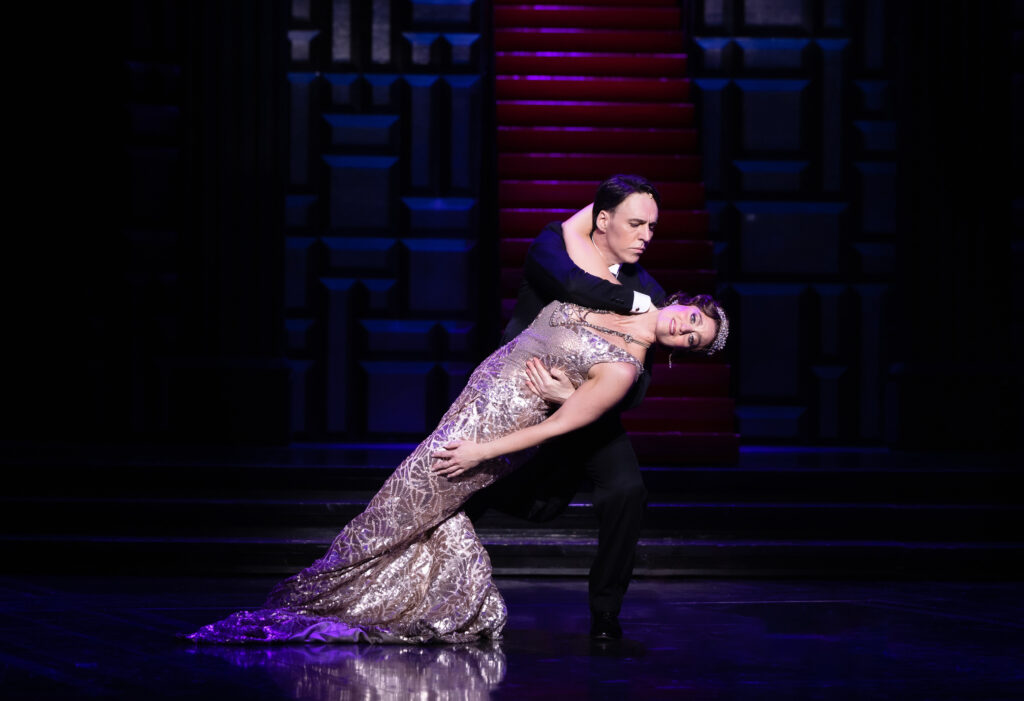
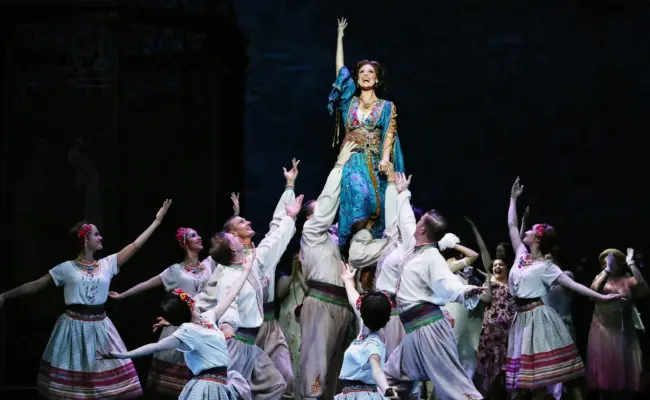
Aside from being an opera director of note, Graeme Murphy is also one of Australia’s most celebrated and preeminent choreographers, so unsurprisingly, his production of Lehár’s warhorse froth’n’bubble romantic comedy is replete with colorful dance numbers, from sweeping romantic pas de deux to wonderfully inventive comedic character routines. Both the Opera Australia dancers and the principal singing cast were put thoroughly to the test, and they all delivered their steps with aplomb.
Charming and stylish couple
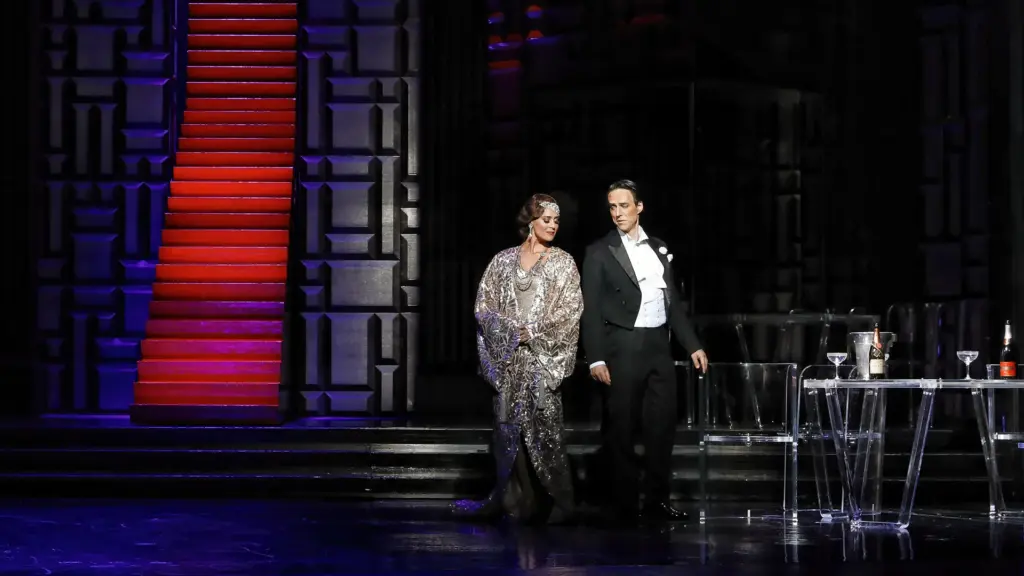
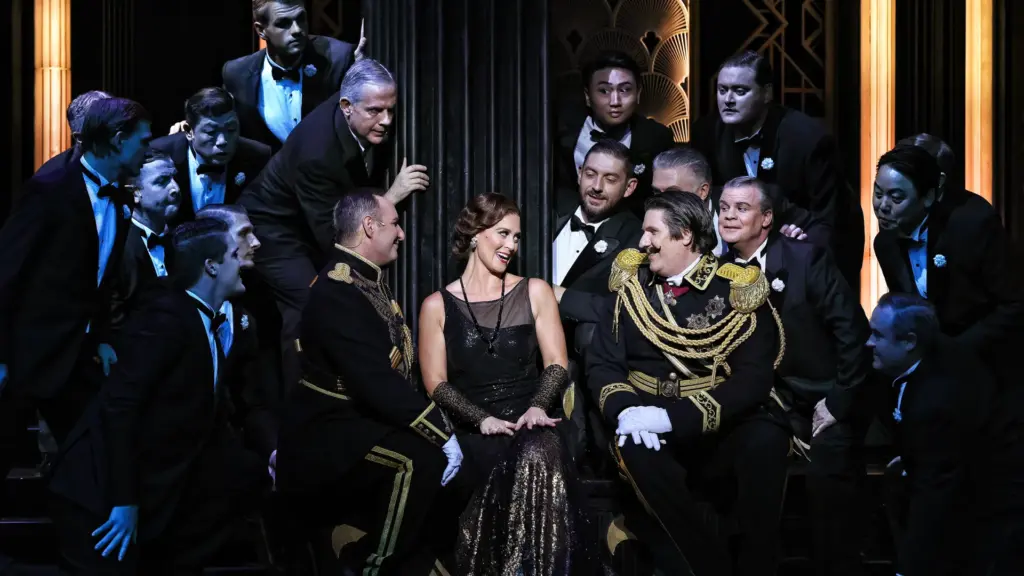
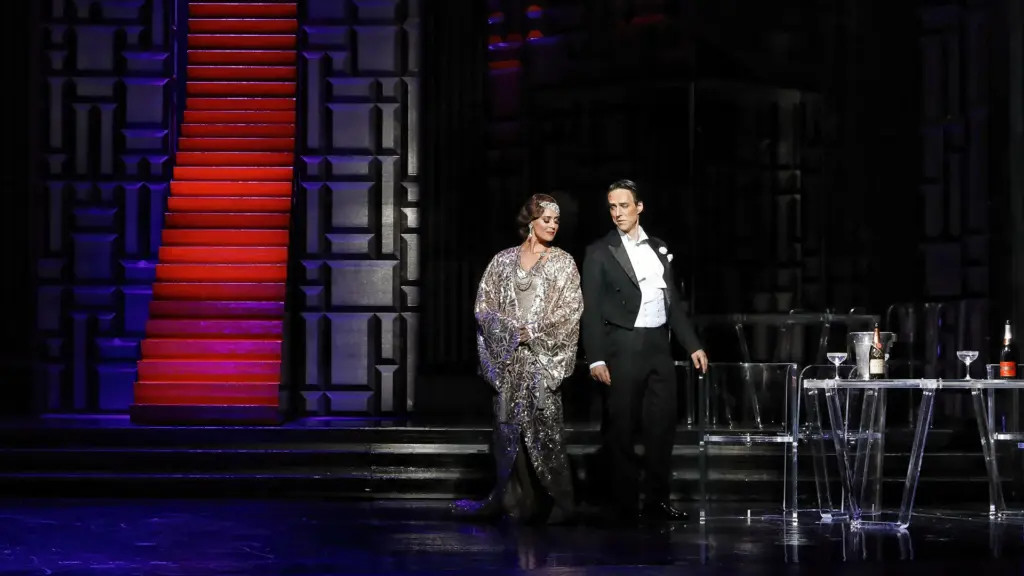
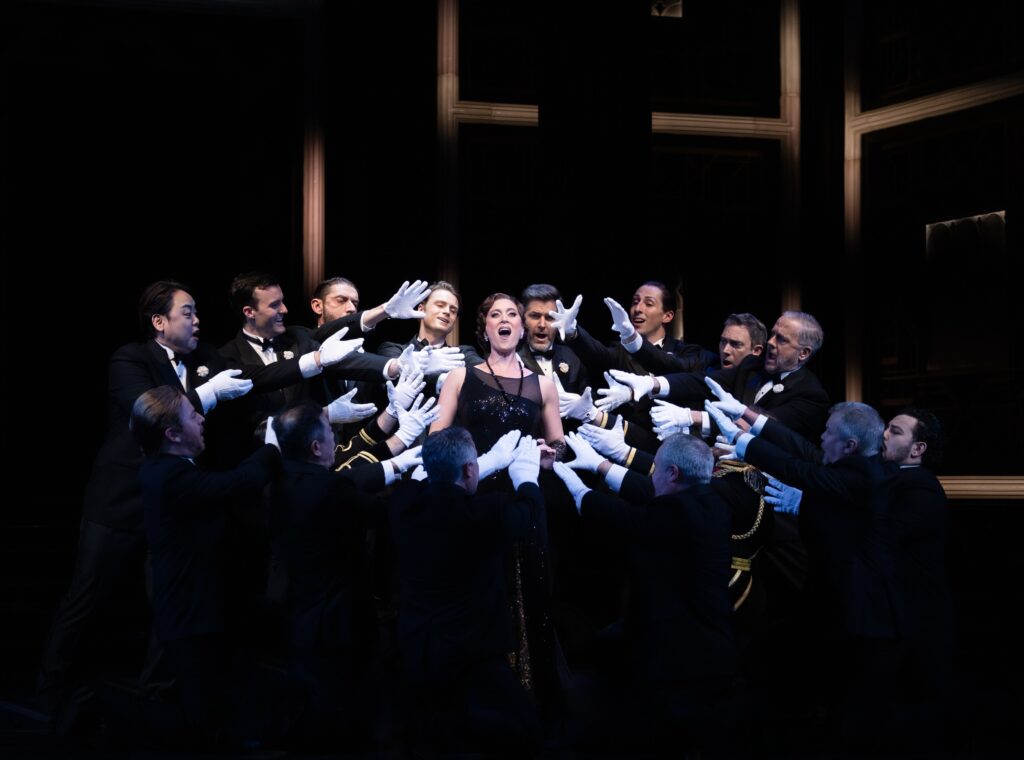
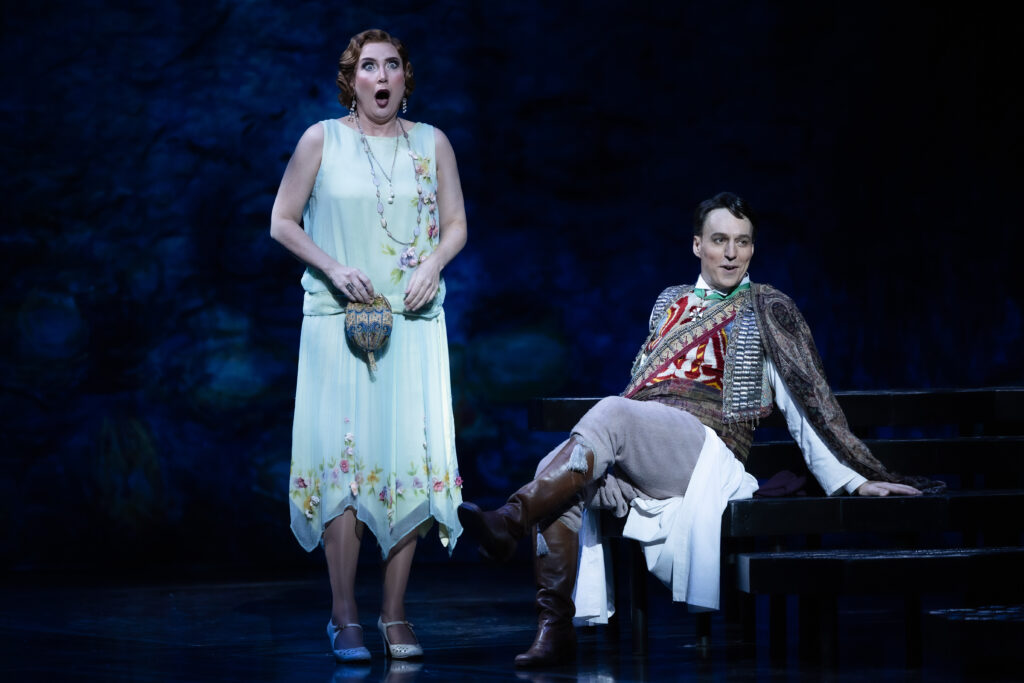
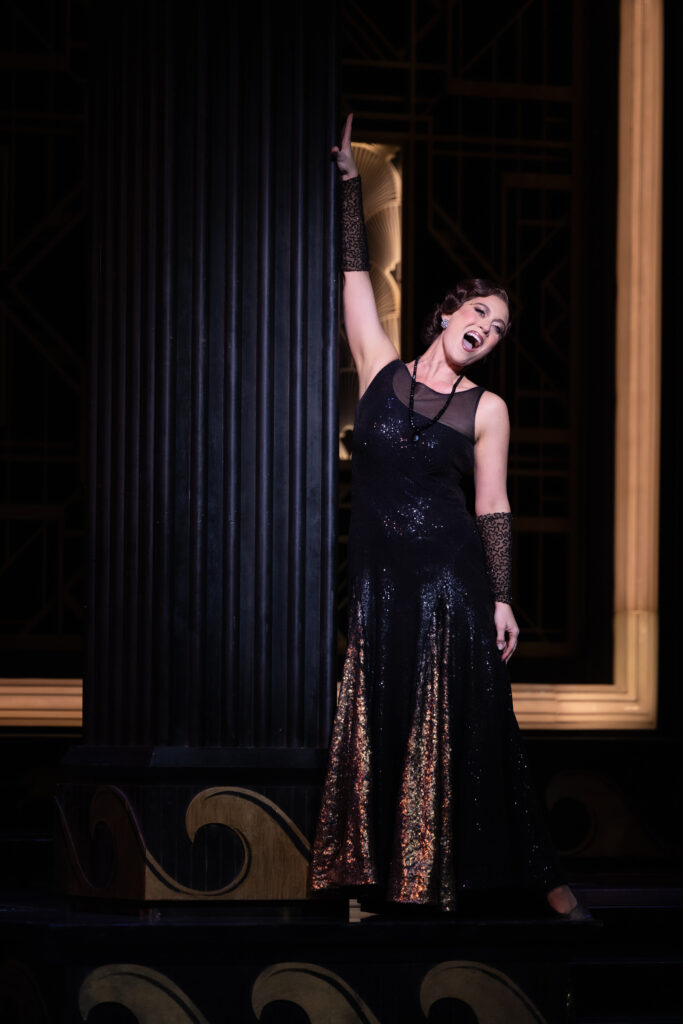
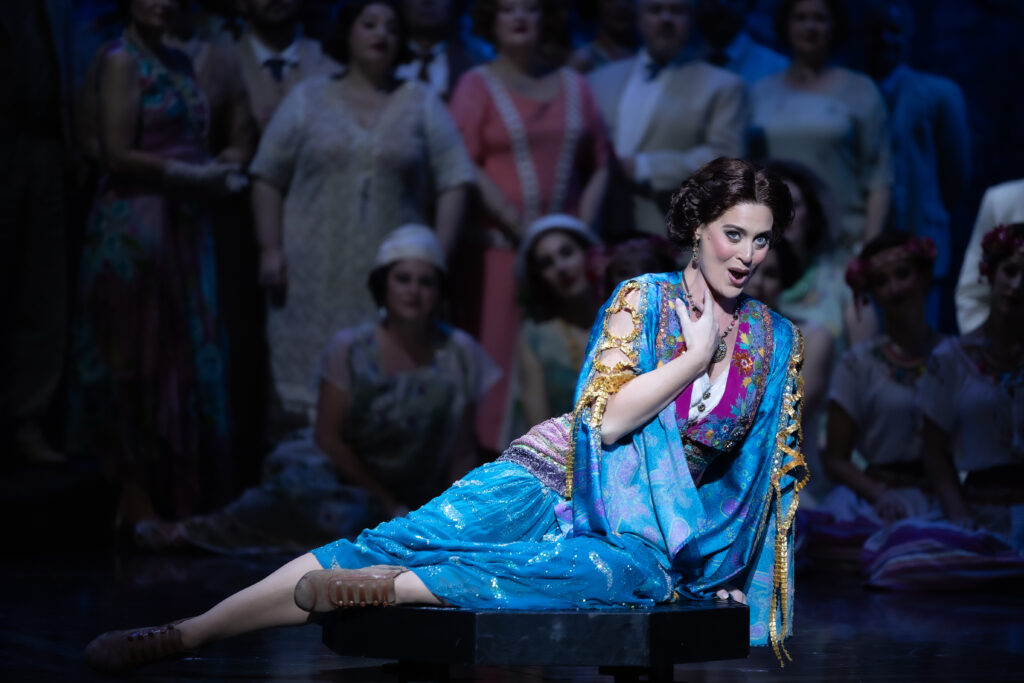
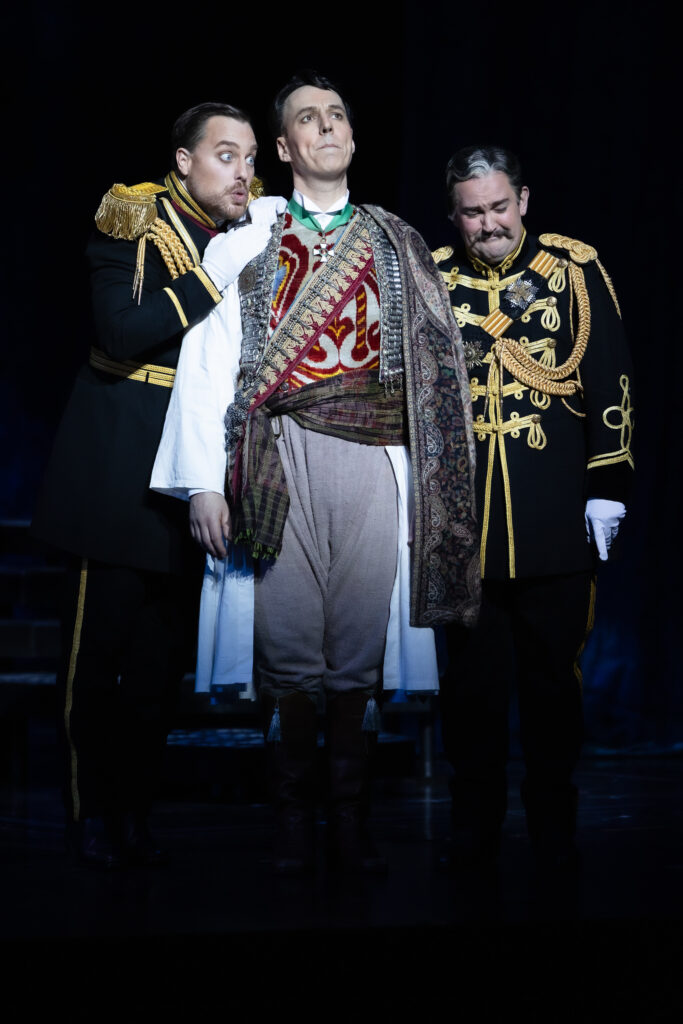
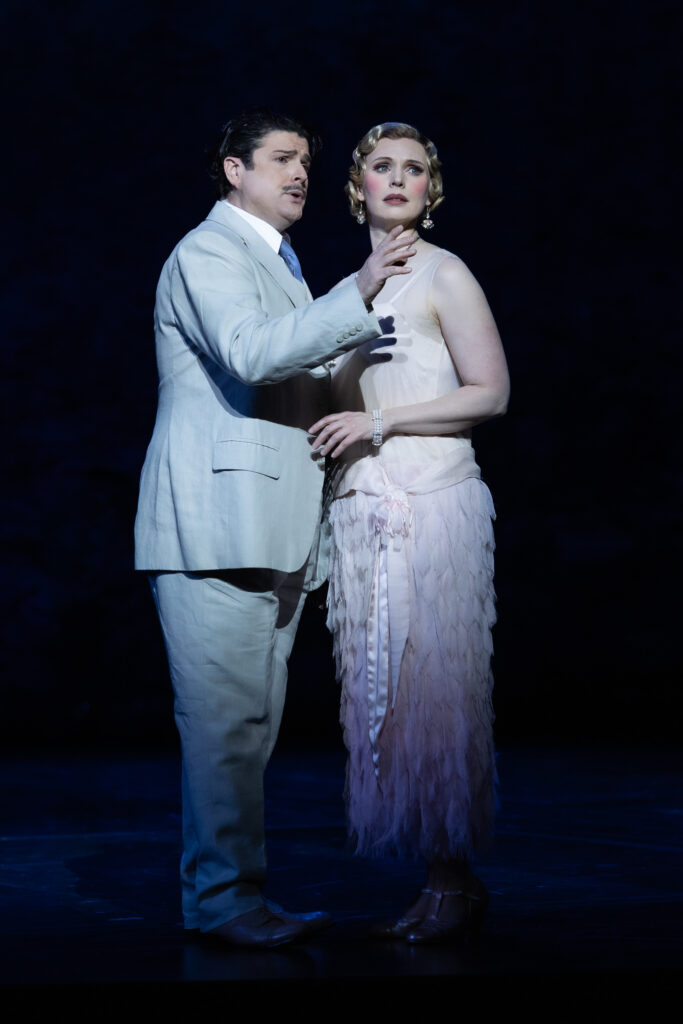
Our leading couple — Julie Lea Goodwin as Hanna Glavari, and Alexander Lewis as Danilo Danilovich — were required at several points to beguile us via fancy footwork alone, and in this, as in almost every aspect of their performances, they were both as charming and as stylish a leading couple as could be hoped for. Neither was entirely without flaw, but their virtues else were notable; both are specimens, both are skilled triple threats, and both embodied their characters with great élan. Sadly, both were also frequently squally above the stave, vocally speaking… struggling, perhaps, to lock into an appropriate technique for their head-mounted microphones.
It was a noticeable problem across the evening and the cast, with several principals struggling to find an appropriate vocal balance: overconfident to the point of strident in their singing, but with their spoken dialogue reduced, on more than a few occasions, to inaudibility, despite amplification. This was not helped by some of the blocking choices — or lack thereof — in dialogue scenes. More of that anon.
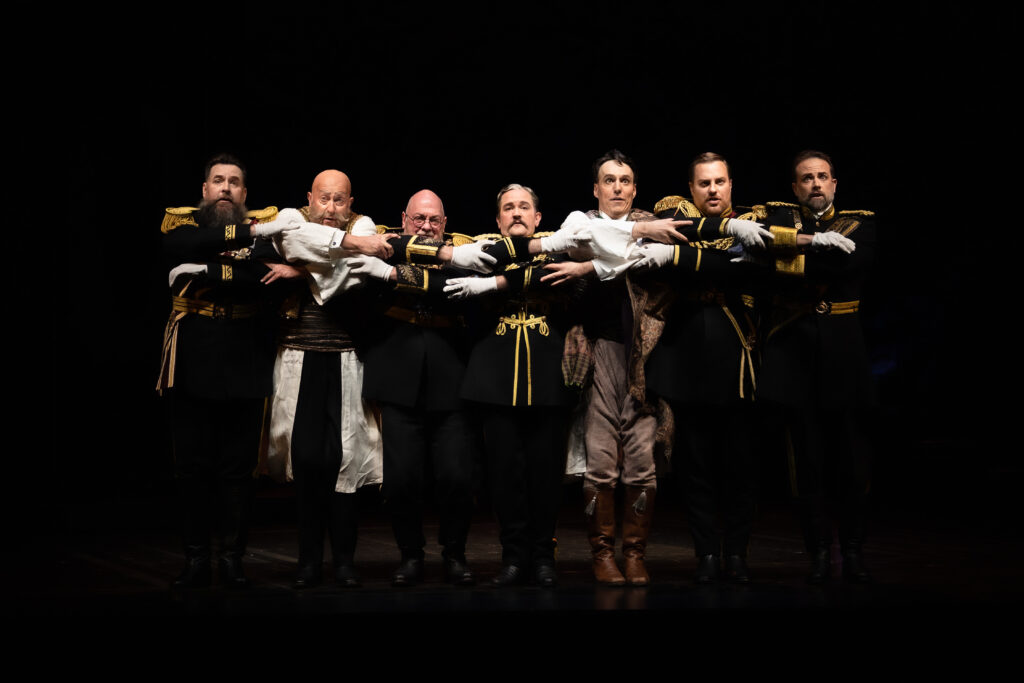
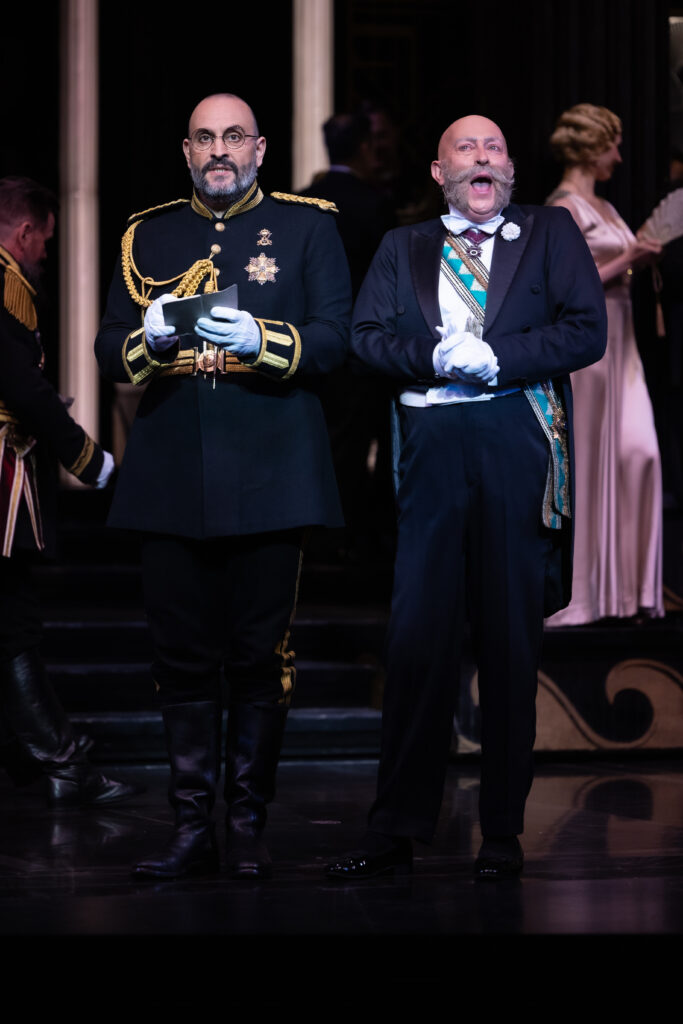
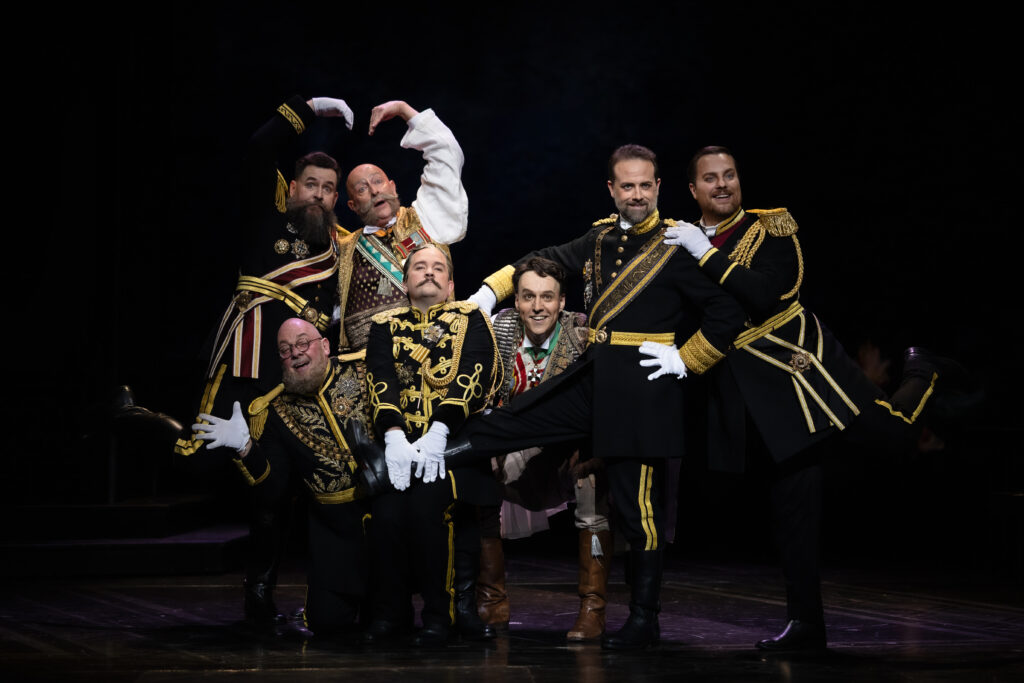
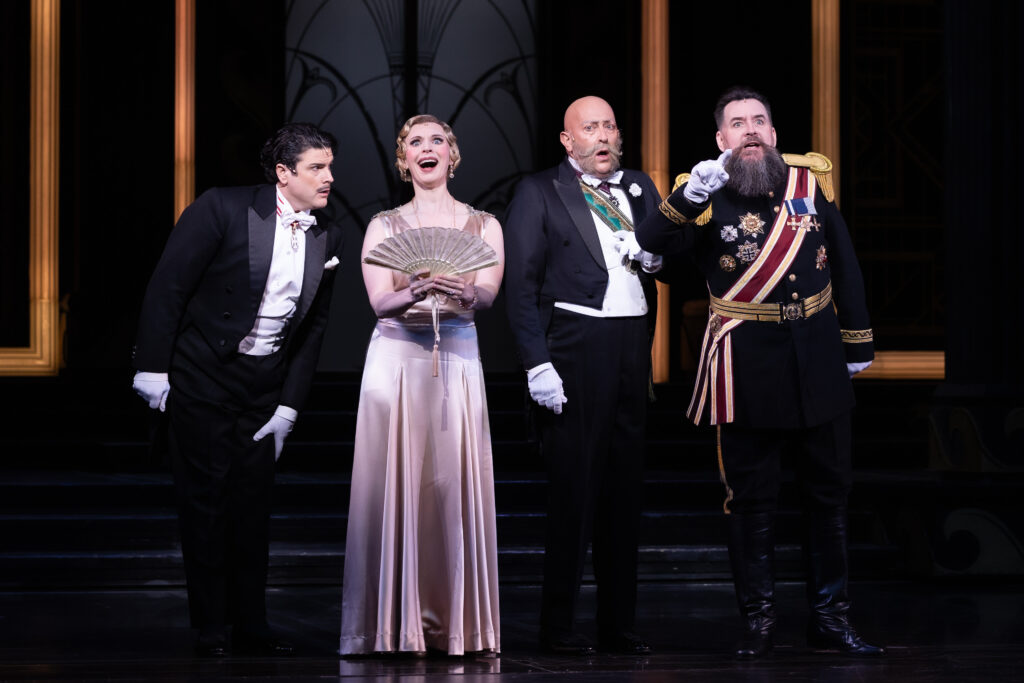
The secondary romantic coupling was, curiously, just that little bit more consistent, and thus endearing; Alexandra Flood was simultaneously dignified and coquettish as Valencienne, and John Longmuir gave us an ardently sung Camille de Rosillon. David Whitney as Baron Mirko Zeta and Benjamin Rasheed as Njegus were also a highlight… a funny and intelligently drawn double-act to rival the best of them. The remaining cast was faultless — the definition of a secure and mature ensemble.
Stand-and-deliver blandness
Murphy’s strengths as a director were, unsurprisingly, in the visual pageantry of his choreography and in the more heavily movement-oriented moments. Pure dialogue scenes were less successful, to the point of abject neglect, frankly, with an inordinate amount of stand-and-deliver blandness to be found. At one point, it was not even clear which character was talking, such was the absence of blocking, and thus clarity.
Opera Australia Orchestra led with precision and verve
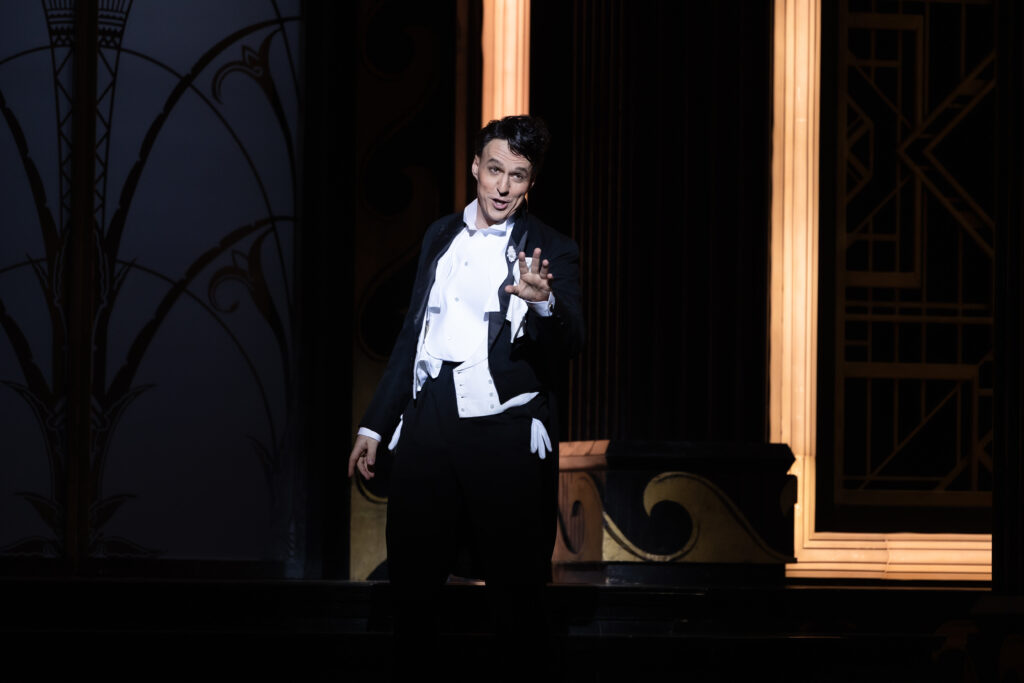
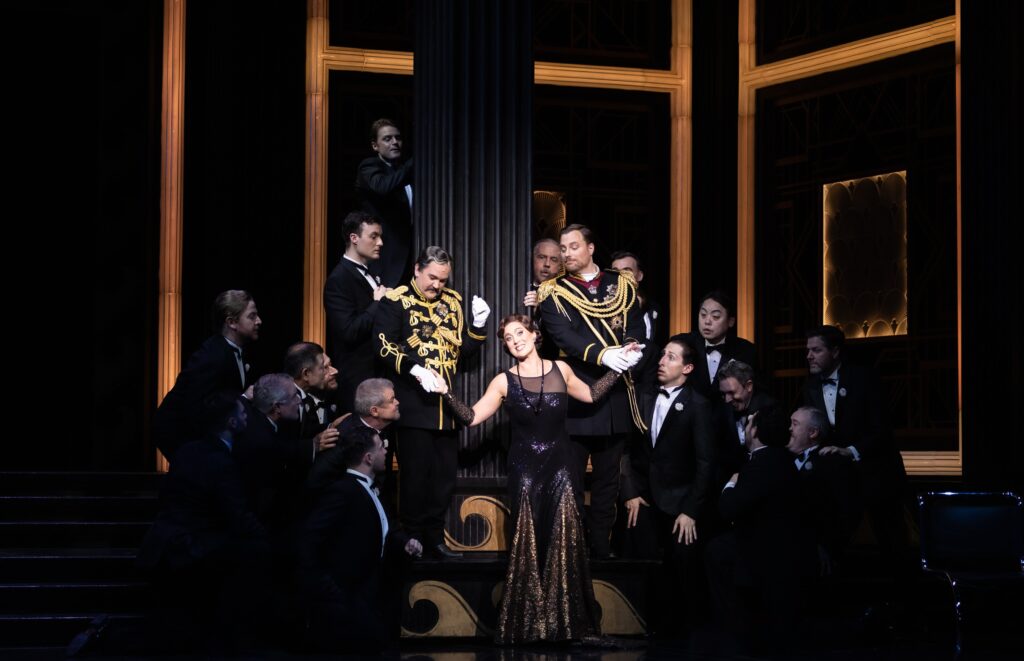
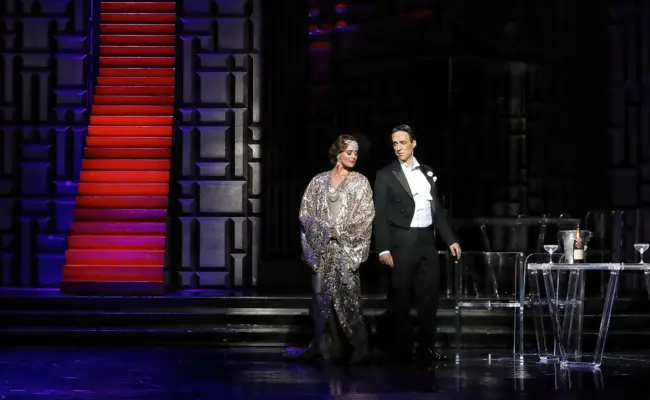
Michael Scott-Mitchell’s set was a fun celebration of art deco extravagance, boasting a couple of solid coups de théâtre (as well as the occasional wobble during some of the more energetic dance routines, specifically in Act Three). Justin Fleming, as venerable and iconic a playwright and librettist as this country has produced, gave us a translation that, while irretrievably stuck in the resolute rum-ti-tum-ness of Léon & Stein’s rhyming scheme, was endlessly inventive, fun, and singable, even if it was not always e-nun-ci-a-ted as clearly as it ideally should have been. Vanessa Scammell led the Opera Australia Orchestra with precision and verve.
Although random happenstance conspired to render opening night a qualified success merely, the ingredients are all there, and despite the froufrou (never mind the Margot or the Clo-Clo), this revival comes dangerously close to passing as a serious attempt at transcendence, despite the immense triviality of the piece itself
Three stars out of five. A flawed but entirely reasonable effort.
David Meadows
THHE MERRY WIDOW