

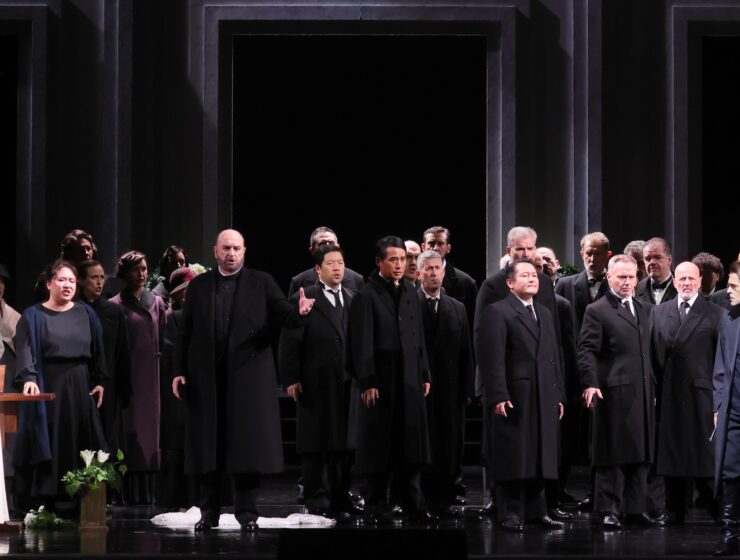
Lucia di Lammermoor. As Lucia, Rosa Feola lived fully through the gamut of emotions. She made use of every nuance in Kokkos’ staging, and every one of her appearances led logically to her sad demise. At every turn, vocally and theatrically, Feola’s Lucia remains a fragile figure, a victim of the manipulations of others causing her to doubt her lover’s fidelity. The Brünnhilde of Götterdämmerung comes to mind; both will sacrifice their lives through delusion. Observing Feola was a moving experience, made richer through the musical dissolution of her consciousness. The top notes were more than there, and delivered almost naturally, and in character with the crazed sad, desperate demise. An absolutely wonderful Lucia.
Tag: Teatro alla Scala
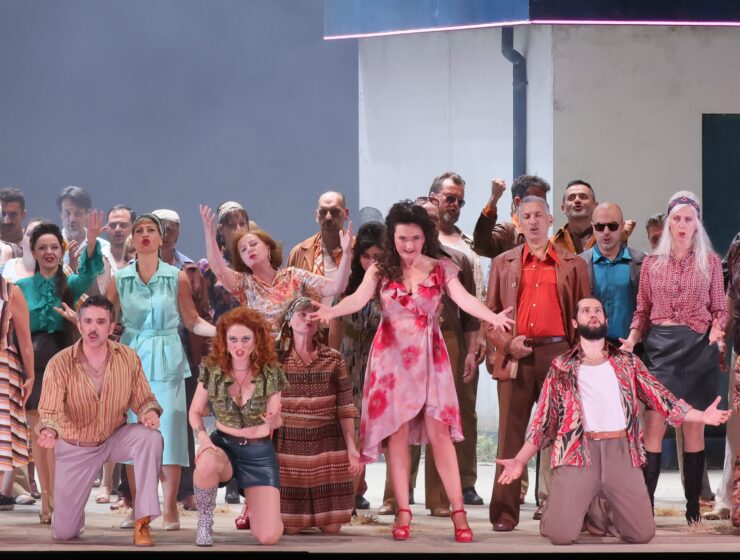
La Scala’s Far West ‘Carmen’. Nearly every solution or off-the-mark innovation seemingly failed to captivate us as there was little sympathy for the personages as perceived, and they were surprisingly almost always projected through excessively old-fashioned stock mimic gesturing. This was especially so for the chorus who were never present in their prescribed roles, and were often asked to carry out bizarre, invented scenarios, unrelated to the main flow of action and with total regard to the words they were singing. In Carmen, they are essential characters inserted within the plot and must remain so.
Pelléas et Mélisande. Sara Blanch was a superb Mélisande, attempting a diverse role, one requiring stamina, a middle voice, and total immersion in a character on stage for almost all the opera. She seems to be the same person on the outside, but is the victim of changing moods, and thus so it is in the music that we discover her performance’s beauties.
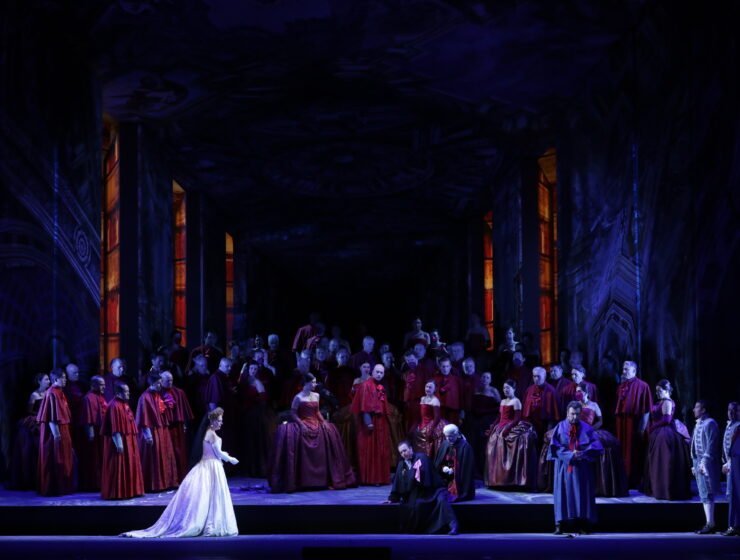
"Die hohen Erwartungen, an die Neuproduktion dieses Werkes, das an der Mailänder Scala auf eine…